
Summary of a verified source · climate and cities
Europe is warming faster, and cities must adapt better to heat
Heatwaves are becoming more frequent and intense, and green infrastructure, shade and water are essential for more resilient cities.

Accelerating warming is not an abstract European statistic. In cities, it means warmer nights, greater health risks, pressure on infrastructure and a growing need for shade, water and quality public space.
Key points
- Adaptation must become an integral part of urban planning, rather than an addition after construction.
- Trees, permeable soil, water and shaded corridors together reduce heat stress.
- Measures should target the neighbourhoods and population groups with the greatest exposure.
What does this mean for Croatian cities?
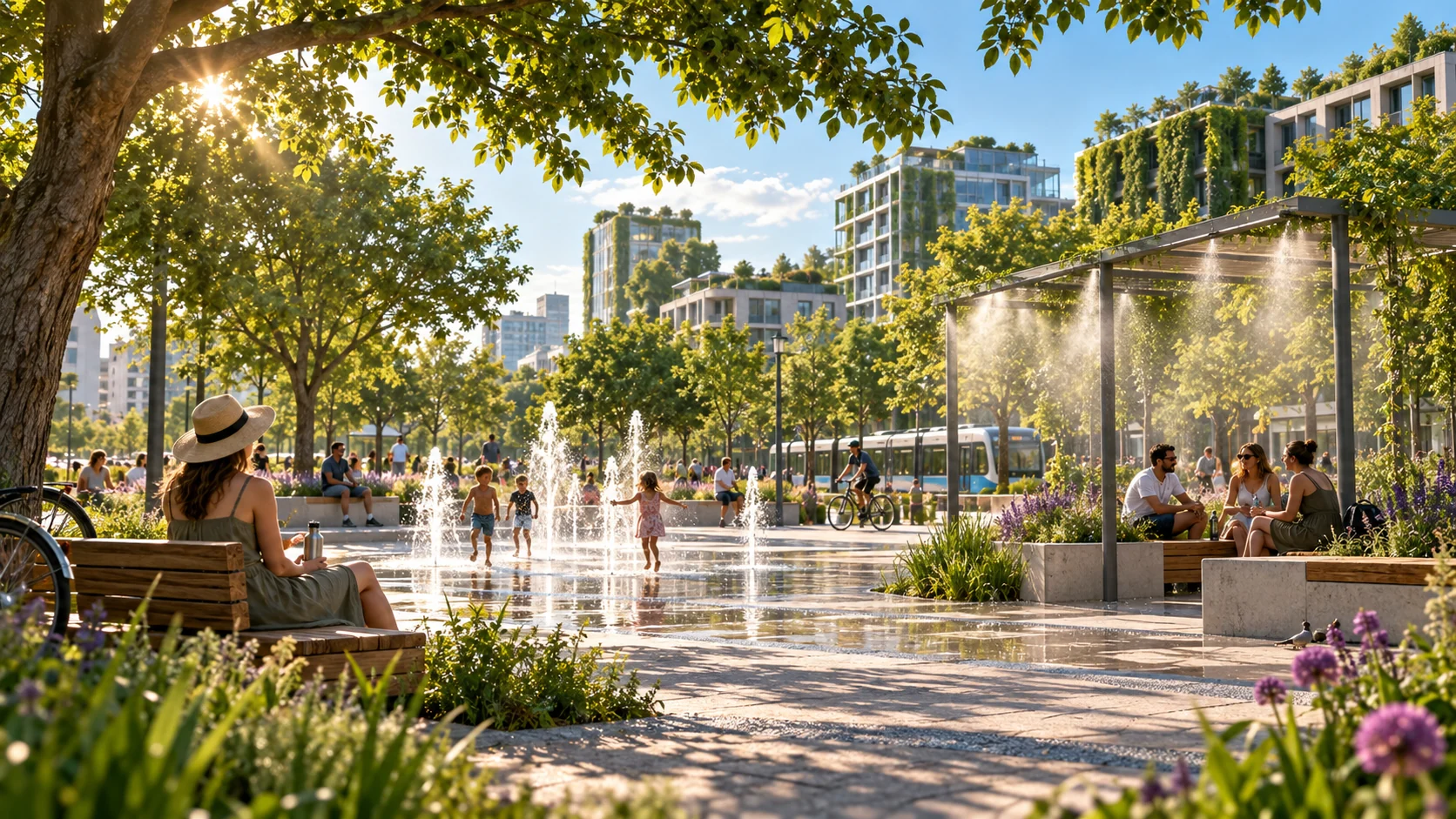
Cities need to connect data on temperature, health and space use with concrete investments. One planted tree is no substitute for a system: continuous tree-lined routes, sufficient soil volume, proper maintenance and access to cool routes to schools, hospitals and public transport all matter.
Water is equally important. Surfaces that retain rainwater and allow it to infiltrate the soil help during heatwaves and sudden downpours alike. The same infrastructure thus addresses several climate risks.
How can progress be monitored?
The effectiveness of measures can be monitored through surface and air temperatures, canopy cover, access to shade, soil conditions and differences between neighbourhoods. Published data should be understandable to residents and linked to implementation deadlines.
Related articles
August 2026 equals the global temperature record
August's global average air temperature was 16.96°C, tying with July 2023 as the hottest month on record, according to Copernicus data reported by Reuters.
Croatian expert warns: If we lose urban trees, Croatian cities will become concrete ovens
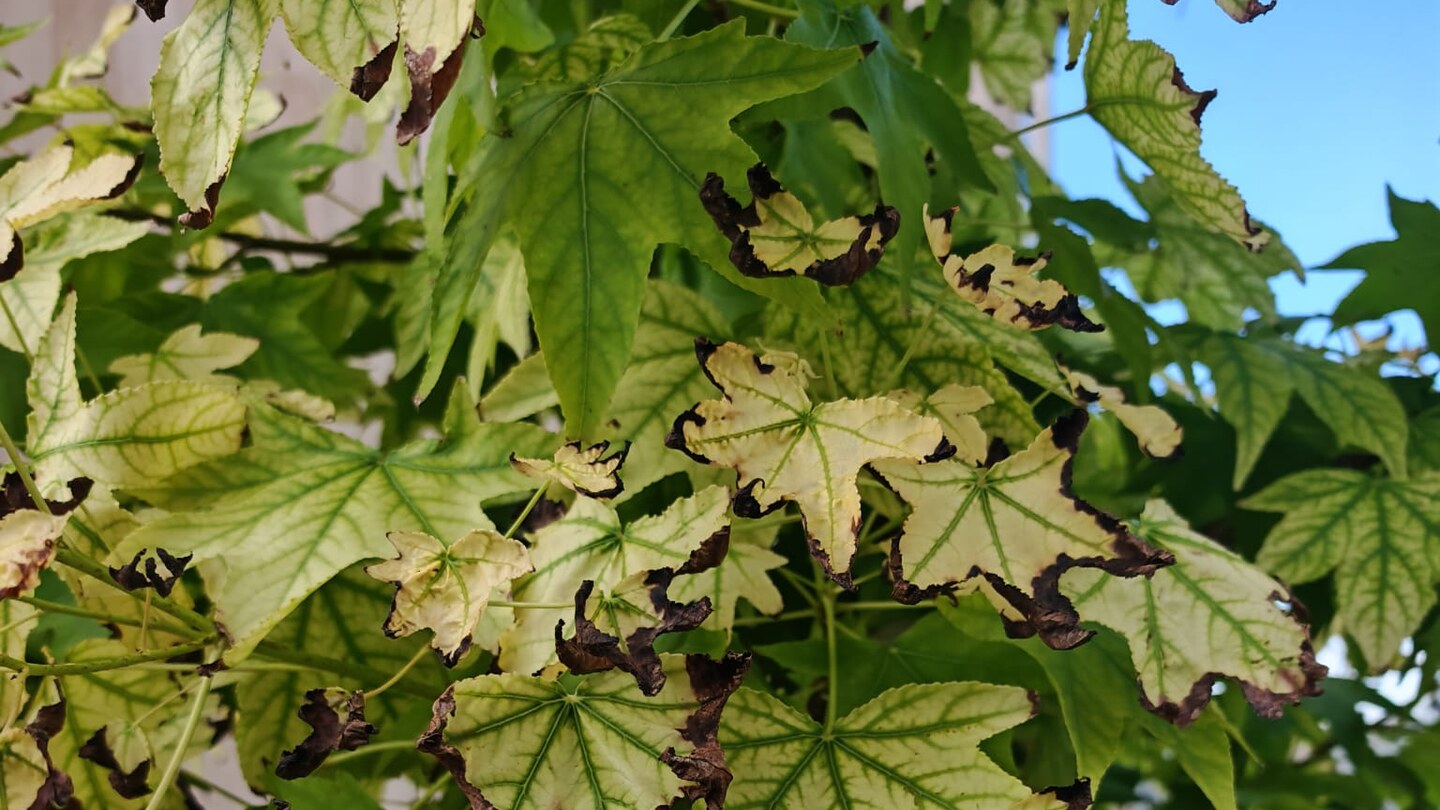
Fran Poštenjak, Croatia's first tree doctor, warns: Without a change in our attitude towards urban greenery, Croatian cities are losing their natural defence against extreme heat. “This is not an occasional anomaly, but a new reality”: Why are summer heatwaves silently killing trees in Croatian cities? Expert Fran Poštenjak explains, stressing that investing in trees is actually an investment in Croatia's climate resilience.

Since 30 July, we have been living on ecological debt
On 30 July, humanity used up the natural budget that can regenerate over the whole of 2026. Since that date, we have been living by depleting natural capital and accumulating waste, chiefly carbon dioxide in the atmosphere.