
Summary of a verified source · climate and society
Climate change is having an increasing impact on society and the economy
Climate risks are not just an environmental issue: they affect health, infrastructure, production, costs and everyday life.
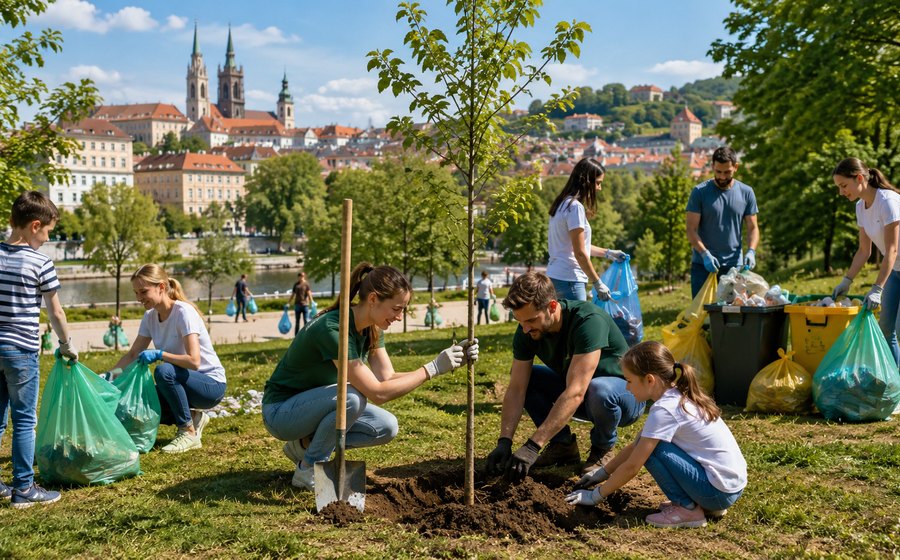
The consequences of climate change spread through several systems at once. Prolonged heat, droughts, intense rainfall and other extremes alter working conditions, strain healthcare, affect prices and create additional risks for local infrastructure.
Key points
- Climate adaptation is simultaneously a health, social and economic issue.
- The most vulnerable groups and less resilient communities feel the impacts first.
- Prevention and early investment are generally safer than repairing repeated damage.
From environmental risk to everyday cost
Supply disruptions, reduced productivity during heat, damage to crops and infrastructure, and increased energy consumption have a direct financial impact. Climate risk assessment should therefore be part of public budgets, business decisions and property management.
Clear information is particularly important for residents: where risks exist, whom to contact, how to protect their health and which measures are planned in their neighbourhood or city.
Resilience is built locally
National strategies provide a framework, but real impact happens in cities, municipalities, schools, healthcare institutions and businesses. Good measures connect data, responsible institutions, deadlines and ways for residents to monitor implementation.
Related articles
August 2026 equals the global temperature record
August's global average air temperature was 16.96°C, tying with July 2023 as the hottest month on record, according to Copernicus data reported by Reuters.
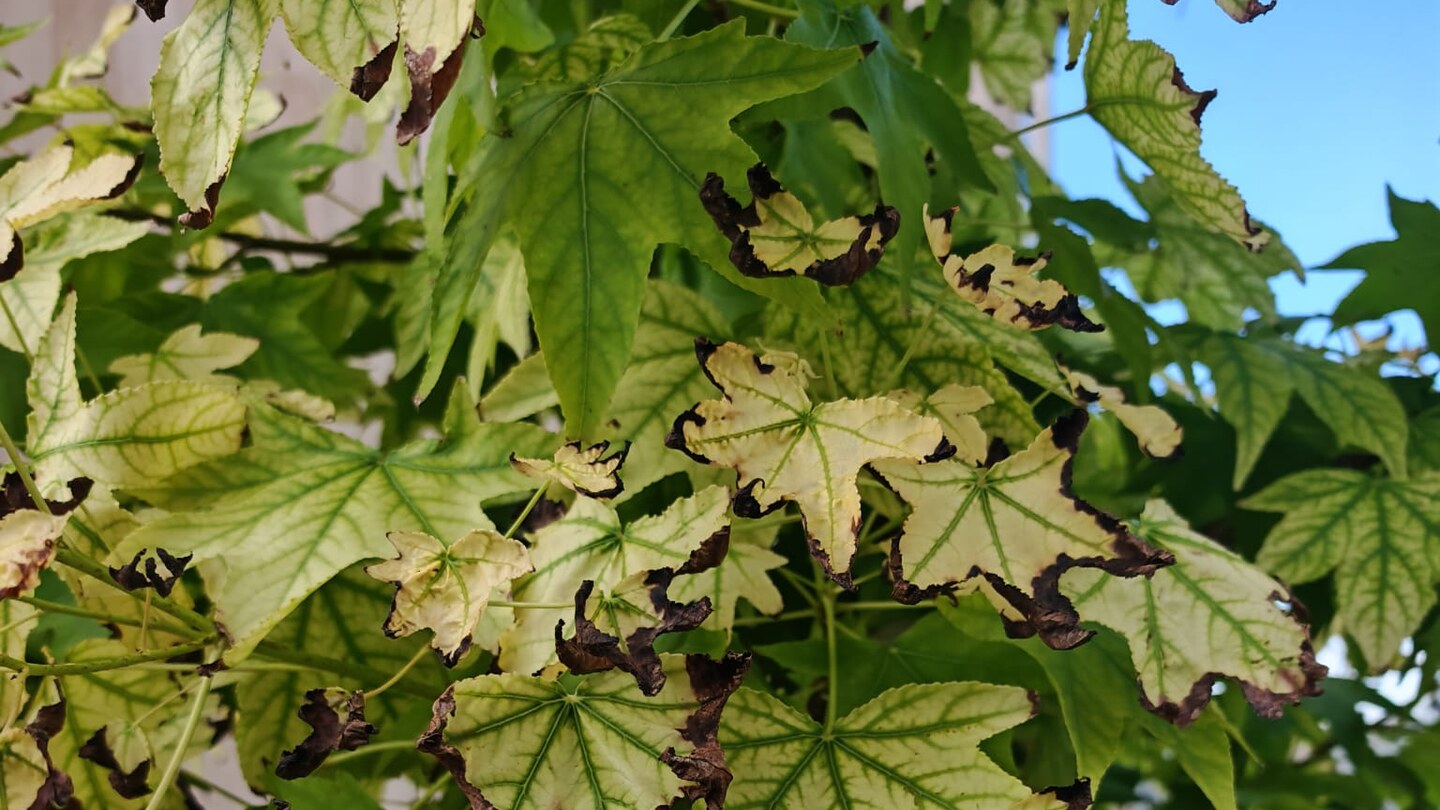
Croatian expert warns: If we lose urban trees, Croatian cities will become concrete ovens
Fran Poštenjak, Croatia's first tree doctor, warns: Without a change in our attitude towards urban greenery, Croatian cities are losing their natural defence against extreme heat. “This is not an occasional anomaly, but a new reality”: Why are summer heatwaves silently killing trees in Croatian cities? Expert Fran Poštenjak explains, stressing that investing in trees is actually an investment in Croatia's climate resilience.

Since 30 July, we have been living on ecological debt
On 30 July, humanity used up the natural budget that can regenerate over the whole of 2026. Since that date, we have been living by depleting natural capital and accumulating waste, chiefly carbon dioxide in the atmosphere.