
Europe is warming, Croatia is drying out: “Trees are our cities' first line of defence”
Croatian expert warns: If we lose urban trees, Croatian cities will become concrete ovens
Fran Poštenjak, Croatia's first tree doctor, warns: Without a change in our attitude towards urban greenery, Croatian cities are losing their natural defence against extreme heat. “This is not an occasional anomaly, but a new reality”: Why are summer heatwaves silently killing trees in Croatian cities? Expert Fran Poštenjak explains, stressing that investing in trees is actually an investment in Croatia's climate resilience.

Key points from the author's text
- Drought and extreme heat expose urban trees to severe water stress.
- The author emphasises deep watering, quality soil and proper planting.
- Large mature trees provide cities with shade, water retention and other ecosystem benefits.
- The resilience of urban greenery is planned before planting, not only after damage occurs.
. . .
In recent weeks, Europe and Croatia have faced another wave of extreme heat, bearing out expert estimates that the European continent is warming twice as fast as the rest of the world. While the well-known German climatologist Andreas Jäger dramatically warns that today's extreme temperatures and storms are our new reality, and that the current summer is probably the coolest we will experience over the next few centuries, the natural cooling systems in our cities — urban trees — are under unprecedented stress.
Forecast models for Croatia also clearly show continued rises in summer temperatures, longer heatwaves and a significant decrease in rainfall during the key period of intensive vegetation growth, from June to September.
In such conditions, warns Fran Poštenjak, Croatia's first tree doctor, owner of Arboring and director of professional development, urban forestry and community solutions at the platform Ekologija.hr, trees are becoming one of cities' most important infrastructure components, while also being among the most vulnerable. They are among the first to be exposed to drastic water consumption. He stresses that drought is a silent killer of trees: the effects we see in summer are only on the surface. The true consequences become visible only in autumn, when it becomes clear how many trees have suffered irreversible damage.
“Trees contain around 50% water on average, and at normal summer temperatures of up to 25°C, an average urban tree 20 metres tall uses between 150 and 200 litres of water a day. However, at temperatures of 35°C and above, consumption rises sharply to 400–600 litres or more — especially on surfaces dominated by asphalt and concrete, which retain and release enormous amounts of heat,” emphasises Fran Poštenjak, Croatia's first tree doctor, owner of the company Arboring and director of professional development, urban forestry and community solutions at the platform Ekologija.hr
He highlights the most important lifeline: a tree's drought resilience is determined at the moment of planting. If we do not provide enough quality, uncompacted soil, we condemn it to a life under stress, Croatia's first tree doctor makes clear.
An invisible crisis below the surface: compacted soil and summer branch drop
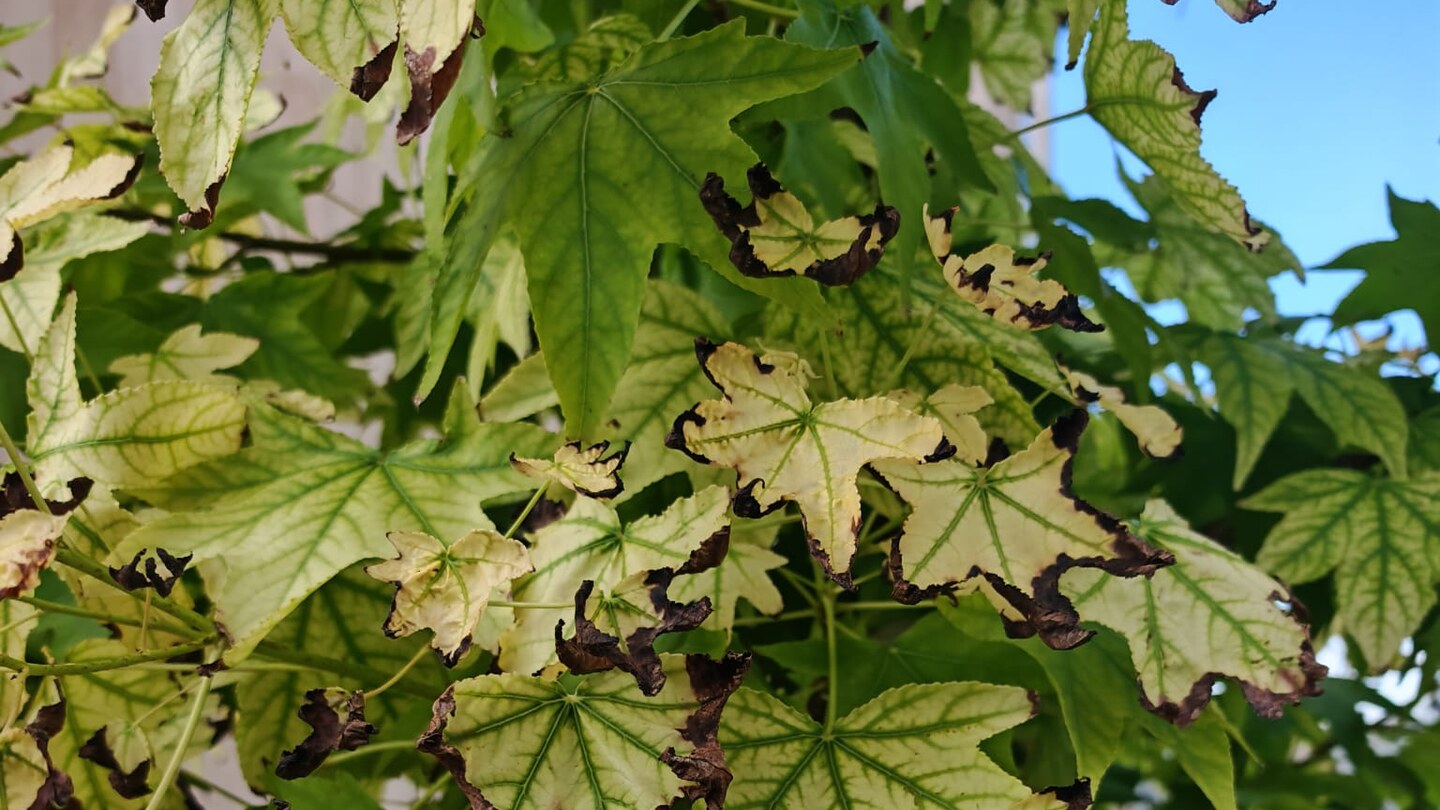
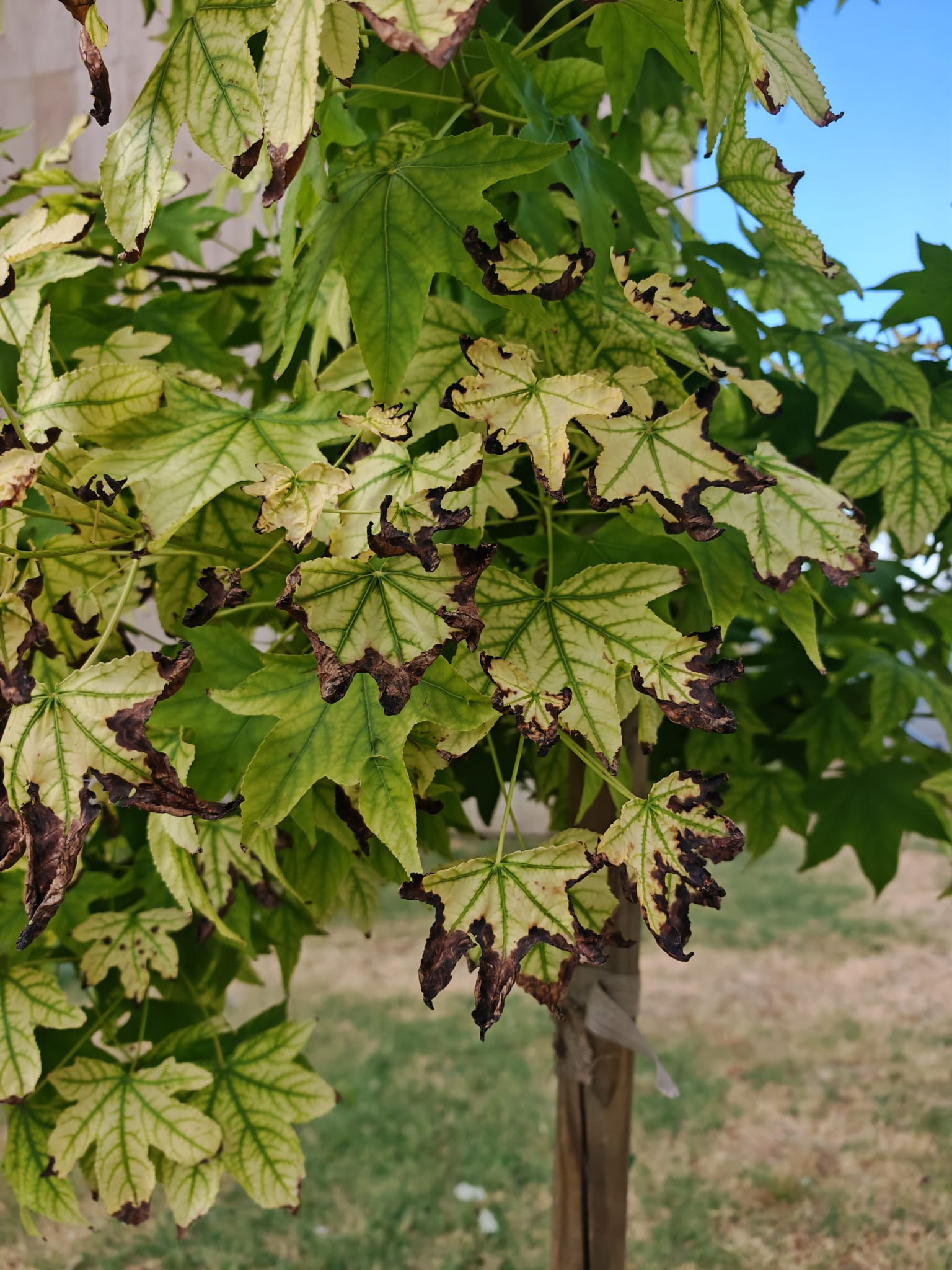
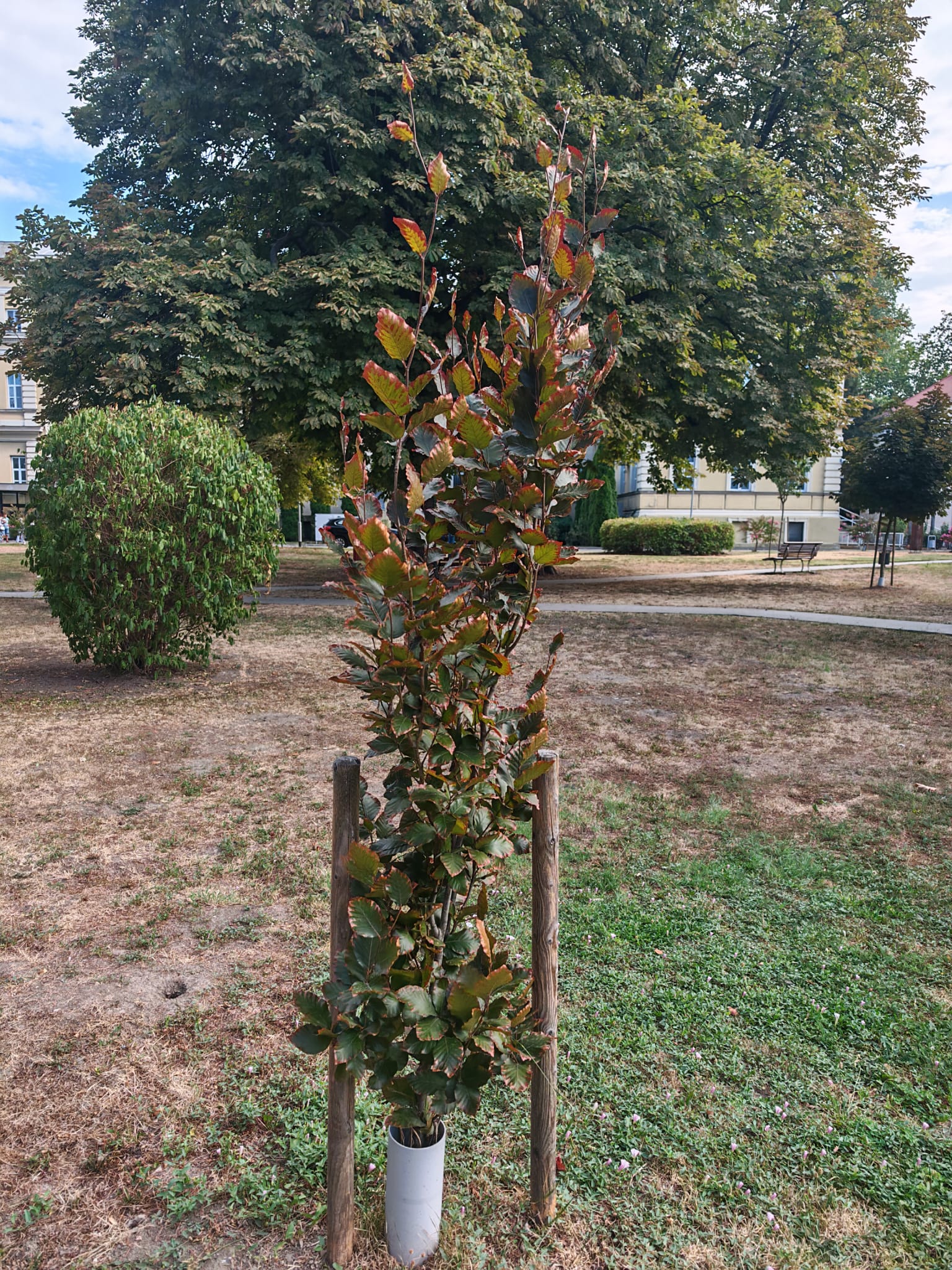
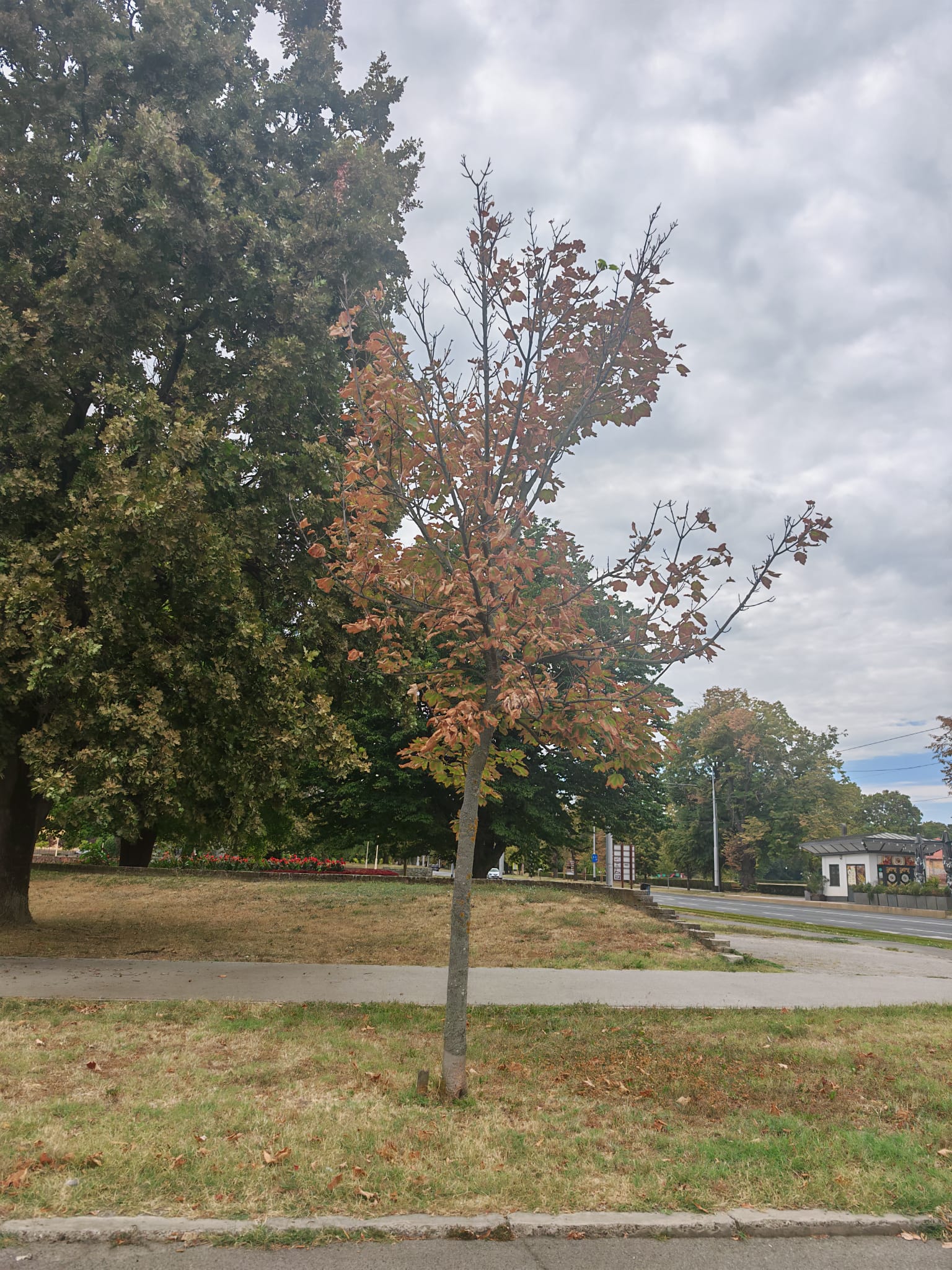
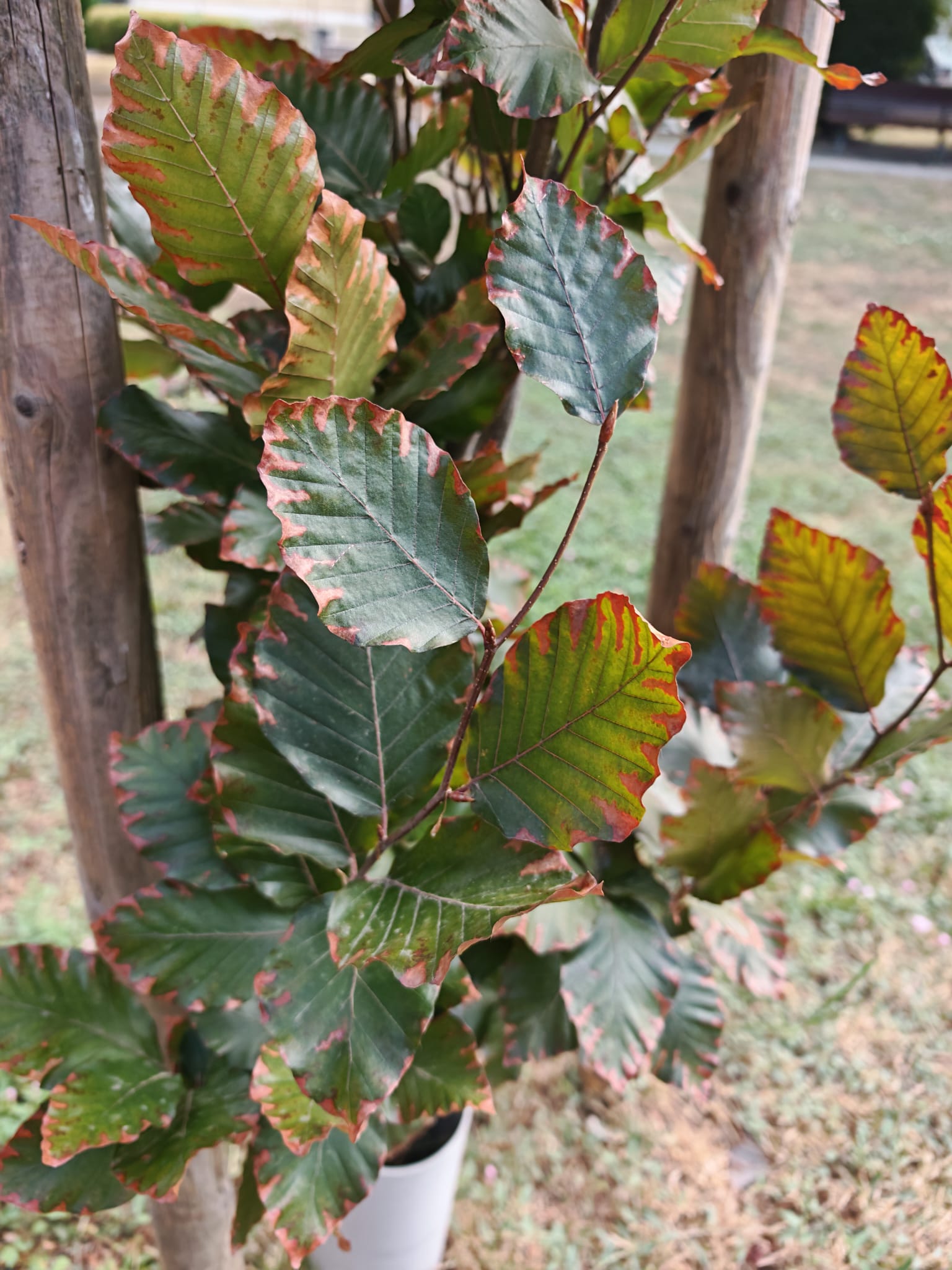
A lack of water slows and interrupts physiological processes in a plant. The first symptoms are wilting and chlorosis, but if drought persists, the tree sheds its leaves, its conducting tissues collapse, and the entire organism may even die, warns Croatia's first tree doctor.
One of the most dangerous tree defence mechanisms in urban conditions is the phenomenon of summer branch drop. This is the sudden failure of heavy lower branches on mature trees, most often oaks, ashes, beeches and elms, after prolonged dry periods, posing a direct danger to passers-by and property.
An additional problem in Croatian cities is compacted soil, caused by years of trampling, traffic and construction work. In such soil, the small pores that hold air and water disappear, so rain mostly runs off the surface instead of soaking into the root zone.
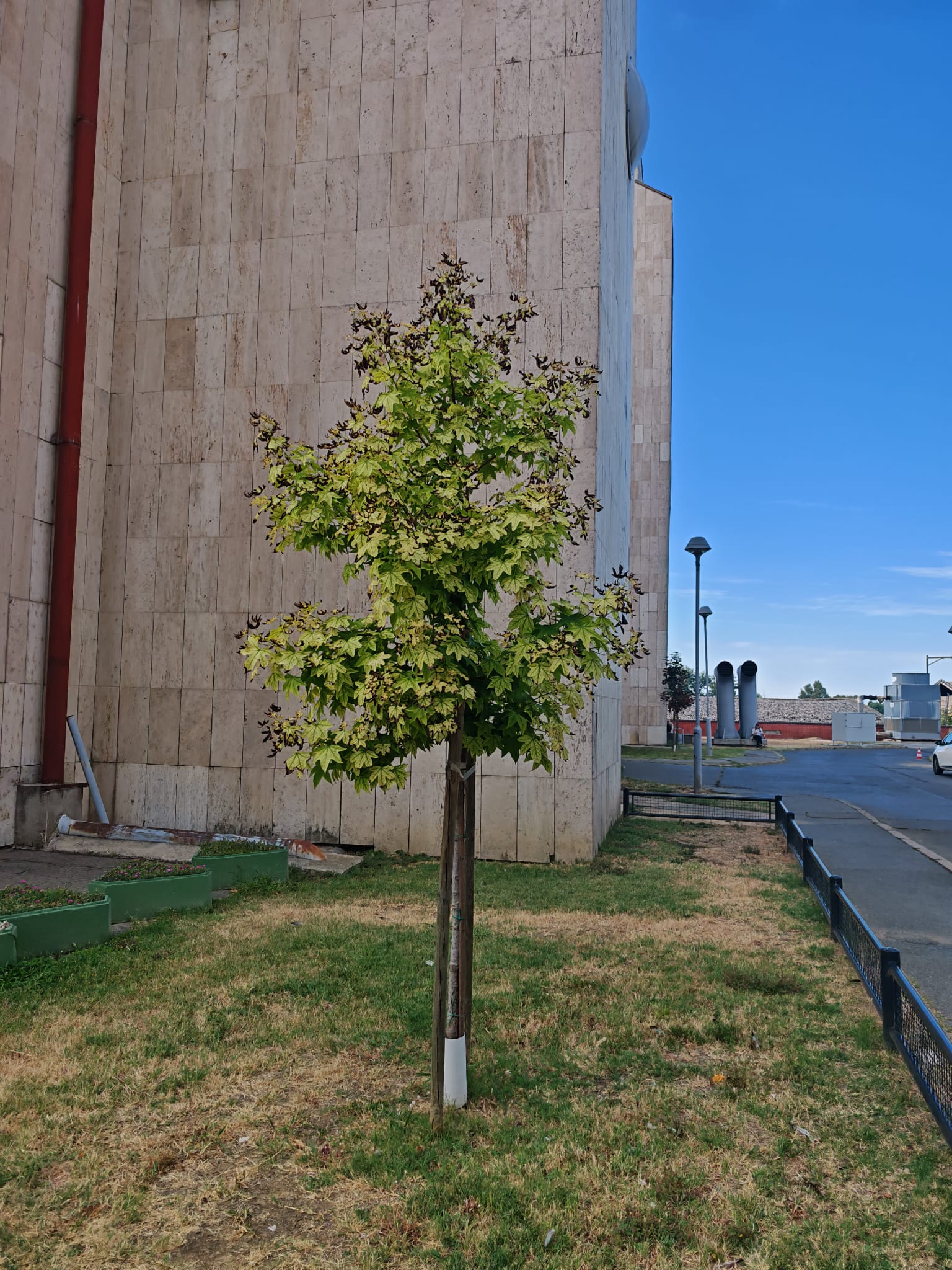
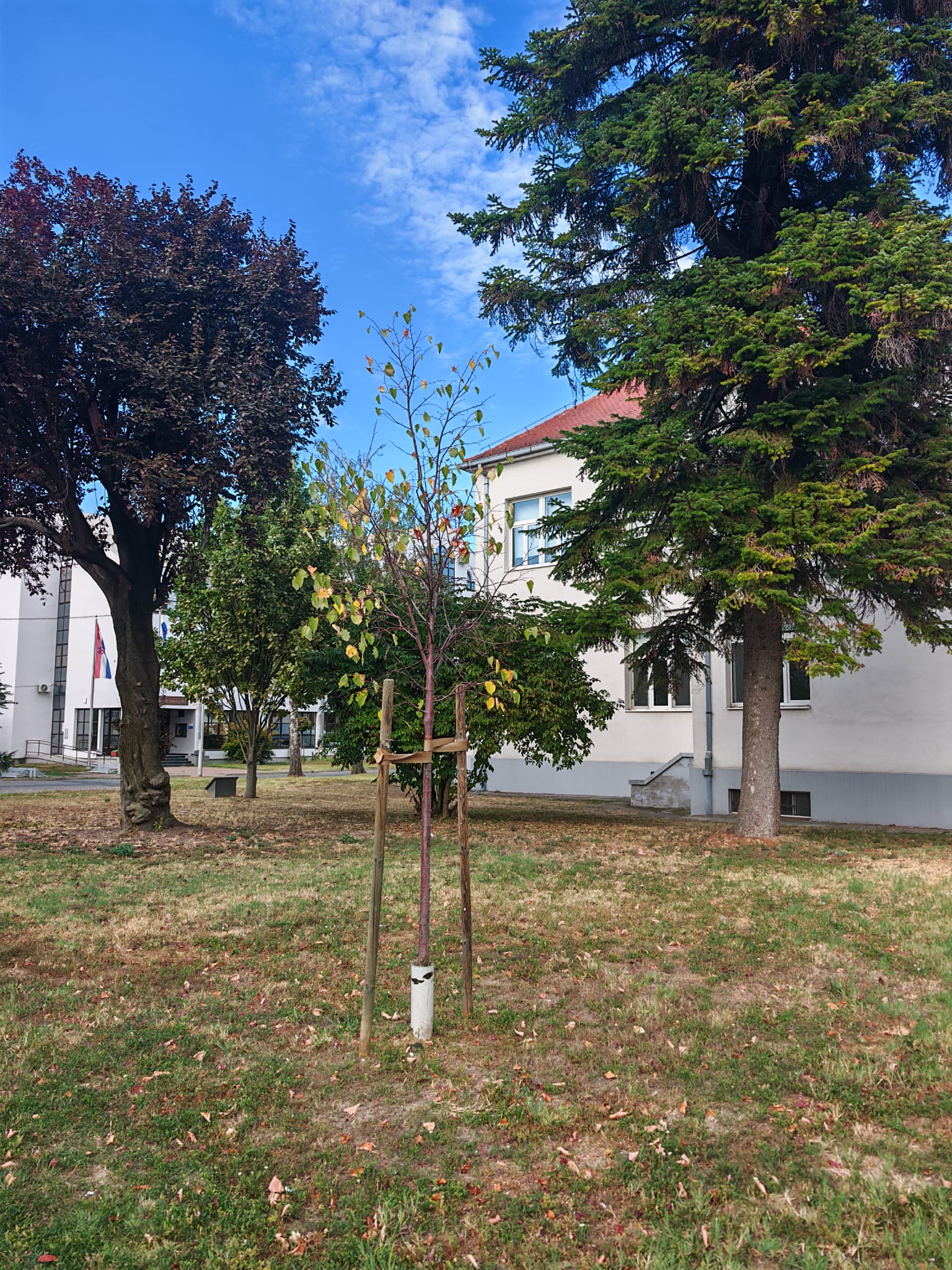
“When watering mature and young trees, it is extremely important to carry out deep watering, rather than surface watering. By soaking only the top 5 to 10 centimetres of soil, we encourage a tree to develop shallow roots. Water must penetrate deeper than 15 centimetres to be genuinely usable. In addition, trees lose up to 90% of their root systems when transplanted, which is why young trees require regular watering with 50 to 80 litres of water, once or twice a week, during their first three years, together with essential wood-chip mulching that must not touch the trunk itself,” explains Fran Poštenjak.
The solution lies in smart planning: structural soils and stability
A tree's resilience to climate shocks is largely determined at planting. Modern urban forestry standards require the planting pit to be sized according to the expected size of the mature canopy:
A canopy with a diameter of 3 m requires around 4 m³ uncompacted soil.
A canopy with a diameter of 8 m requires around 30 m³ uncompacted soil.
Large trees with a canopy exceeding 10 m require more than 45 m³ high-quality, uncompacted soil.
In densely built-up city centres, this can be achieved by using structural soils and underground load-bearing elements that support pedestrian or traffic surfaces while providing roots with room and oxygen. A tree with deep, wide-spreading roots is considerably more resistant to windthrow – a phenomenon in which storm winds uproot entire trees, an increasingly common scenario during summer storms in Croatia.
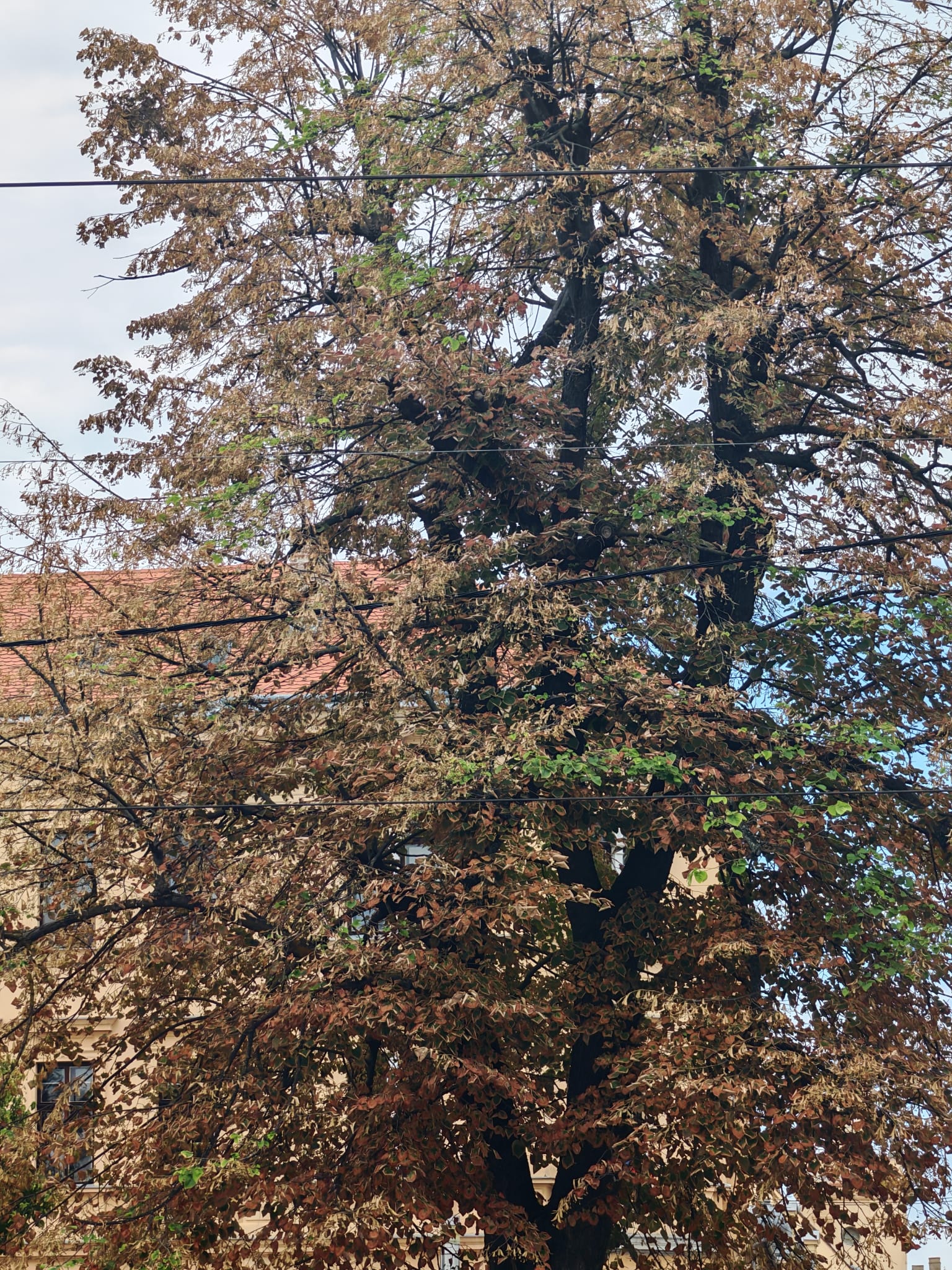
Losing a tree is not only an aesthetic loss but also a huge financial one
For four decades, the scientific community has confirmed that proximity to urban greenery reduces stress, lessens the “heat island” effect, purifies the air, retains rainwater and protects healthcare systems from pressures caused by extreme heat.
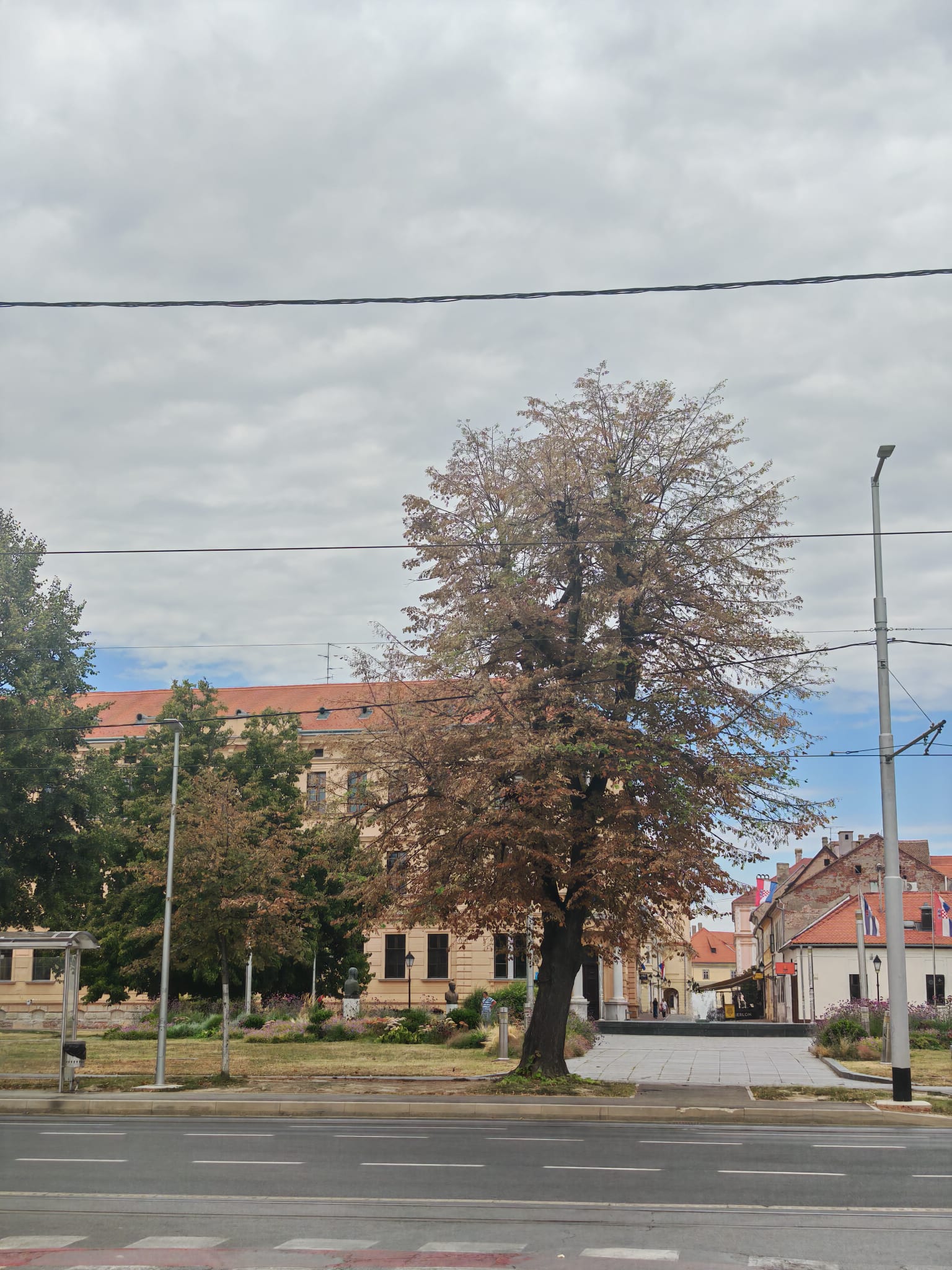
“We will not see the true consequences of this season's droughts until autumn. Every mature tree lost means the loss of free street cooling and noise reduction, and a fall in property values. A young tree takes decades to replace the function of a mature one. Investing in soil decompaction, proper planting and watering is therefore not a luxury, but a vital investment in the safety and sustainability of our cities in the years ahead,” Fran Poštenjak emphasises, adding that losing trees means losing all the services they provide.
Because trees:
cool cities and reduce the heat island effect,
purify the air,
retain rainwater,
reduce noise,
increase property values,
have been shown to improve residents' mental and physical health.
Every mature tree lost means:
higher cooling costs,
greater pressure on the health system,
greater flood risks,
decades of waiting for a new tree to replace the lost functions.
„Investing in quality planting is not a cost — it is an investment in cities' safety, health and resilience”, Poštenjak concludes.
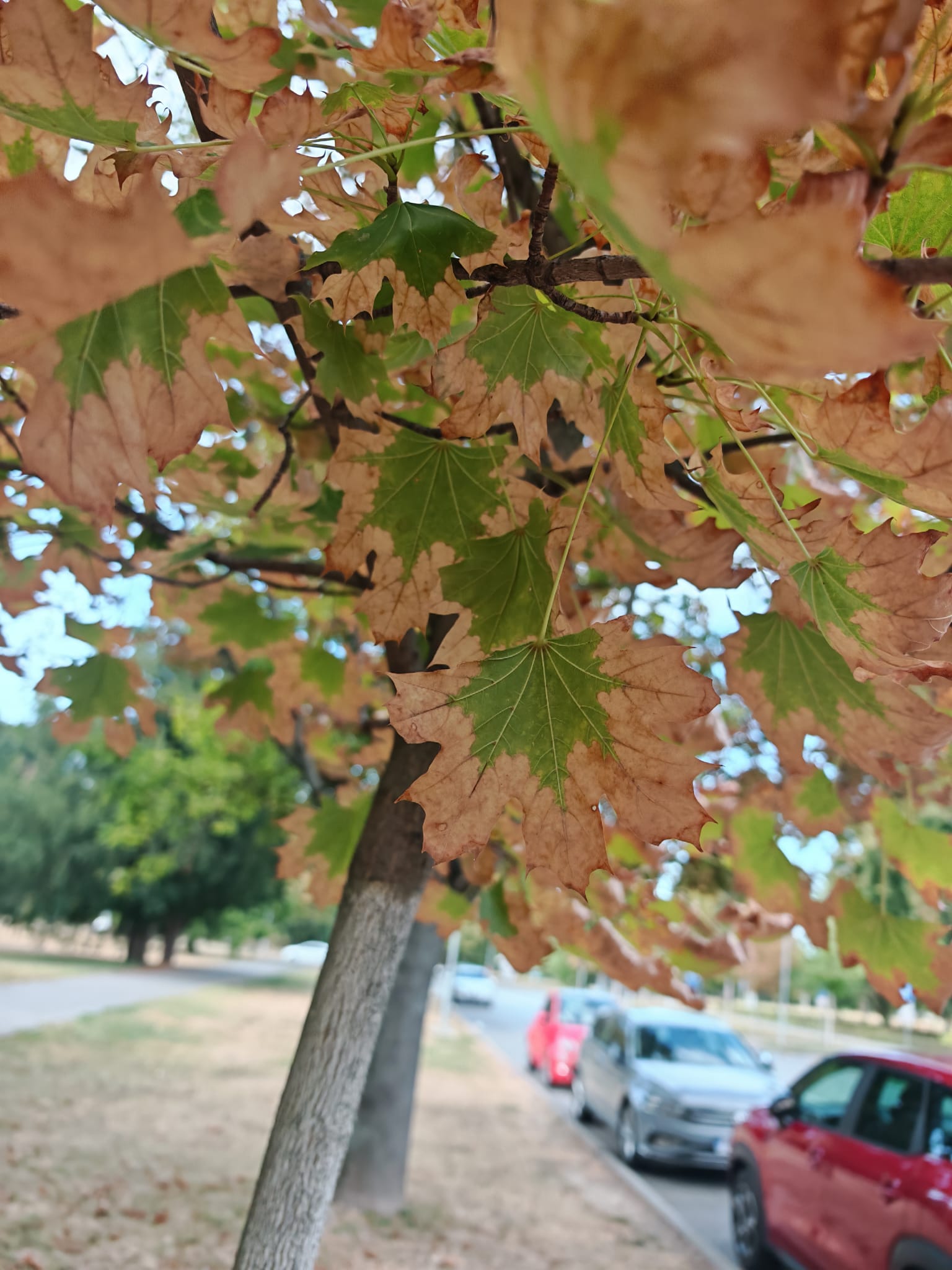
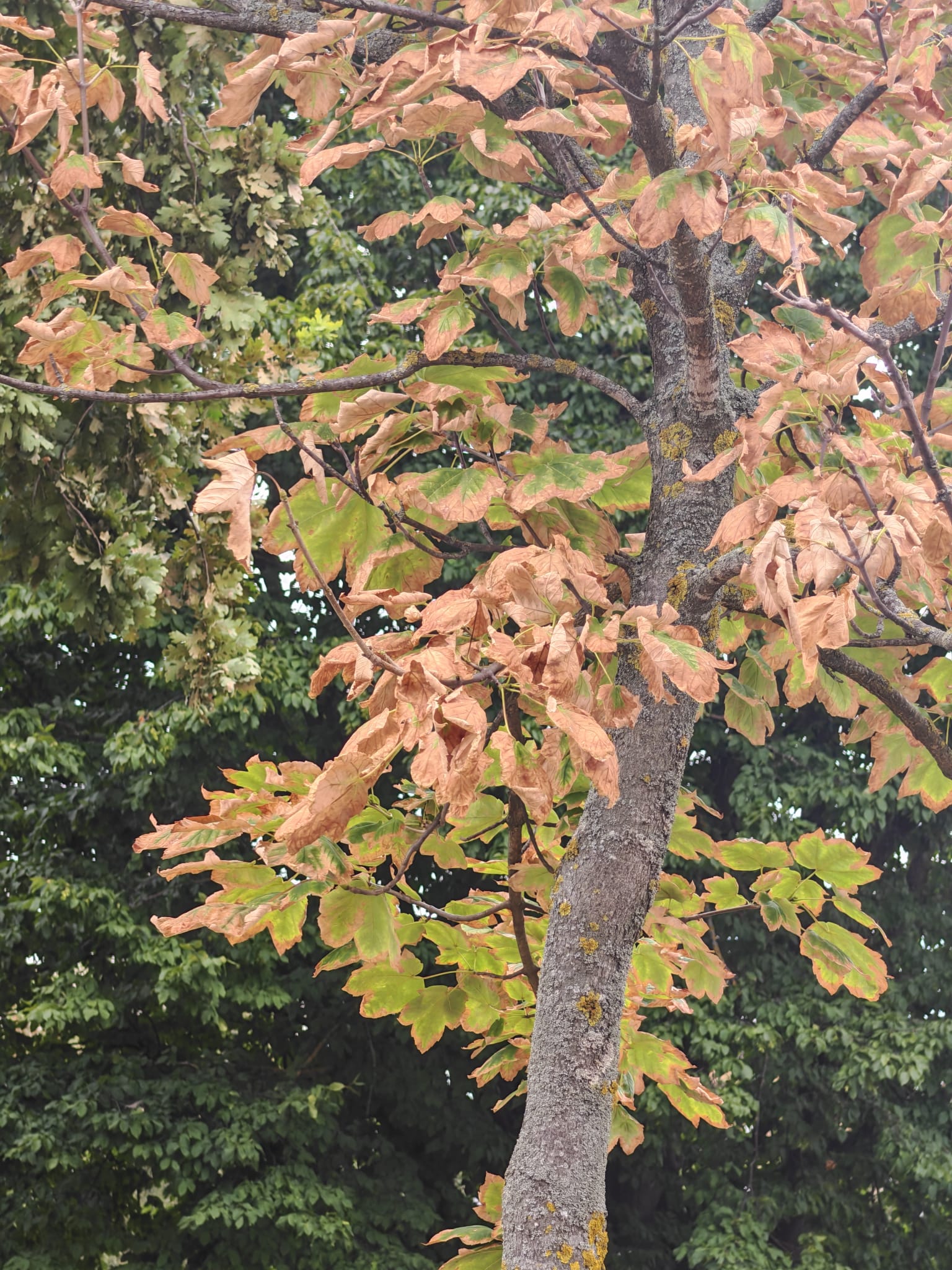
Photographs: Fran Poštenjak's archive.
Related articles
August 2026 equals the global temperature record
August's global average air temperature was 16.96°C, tying with July 2023 as the hottest month on record, according to Copernicus data reported by Reuters.

Since 30 July, we have been living on ecological debt
On 30 July, humanity used up the natural budget that can regenerate over the whole of 2026. Since that date, we have been living by depleting natural capital and accumulating waste, chiefly carbon dioxide in the atmosphere.

Rijeka plans a green Žabica square with 37 trees
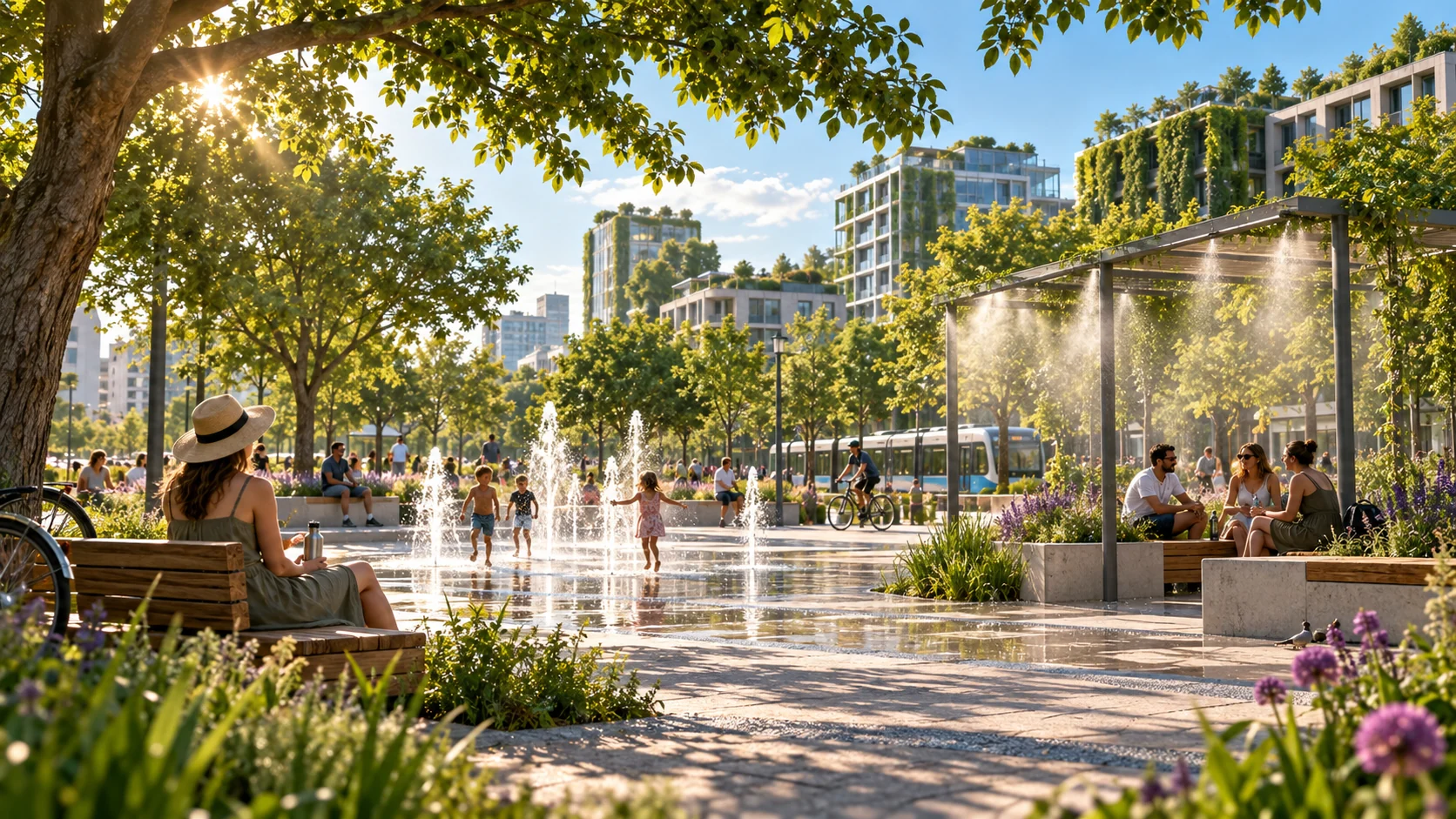
Rijeka's new square is set to gain an almost continuous green canopy, water features and more shade. Projects to green several city streets and car parks are also being prepared.