
News · COP31
COP31 ends without a key agreement: fossil fuels divide the world again
Published
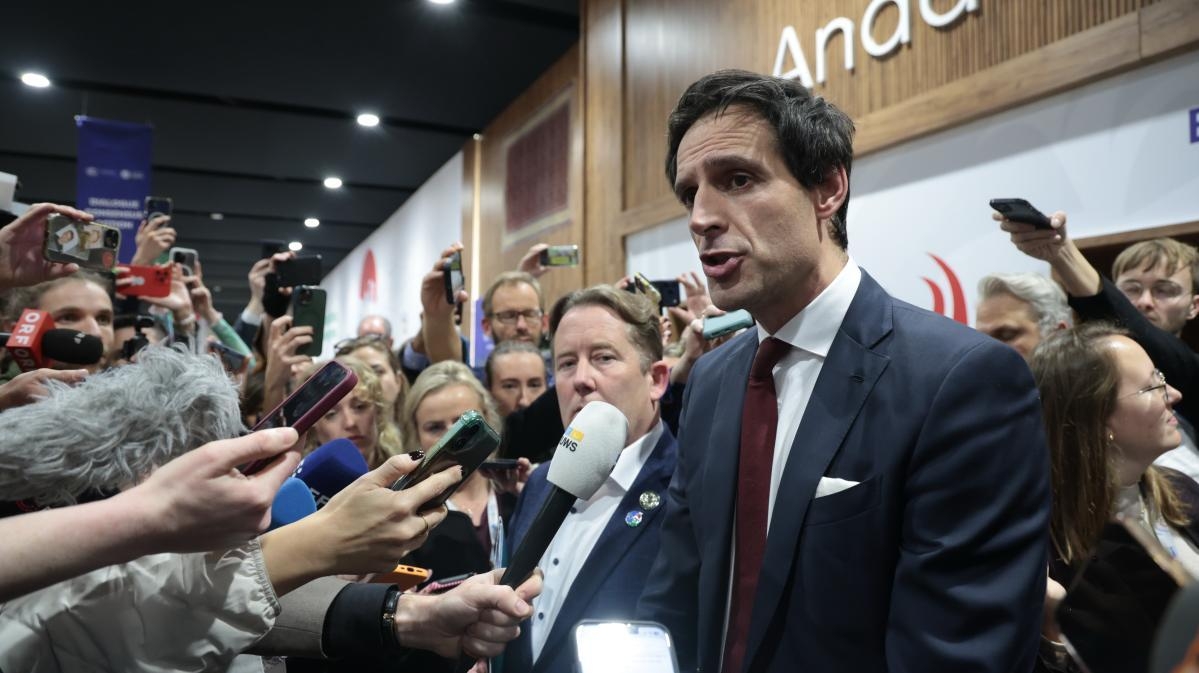
The COP31 climate conference concluded on 22 November in Antalya without agreement on an overarching final decision. The European Union explained its rejection by saying that the proposal did not clearly recognise the role of fossil fuels in climate change. The expected political breakthrough did not materialise, although participants adopted a number of separate decisions on implementing climate action. [1] [2]
Where the negotiations stalled
According to the European Commission's closing statement, the EU and its Member States sought continued implementation of earlier agreements, including the transition away from fossil fuels. The Commission says that more than 130 UNFCCC Parties rallied around this demand, but the final proposal failed to secure the necessary agreement. The European side explains its opposition as a refusal to accept a text that would weaken earlier climate ambitions. [2]
Finance remained another major point of contention. In its response of 22 November, WWF Germany argues that the necessary progress on adaptation finance was not achieved, particularly for the most vulnerable countries. The organisation criticises weak leadership by the conference presidency, as well as the European Union's tough negotiating stance on financial issues. [3]
This assessment shows that the impasse cannot be reduced to a dispute over a few words in the final document. Alongside the direction of the energy transition, questions remain about who will provide the funding for implementation and how it will reach the communities that need it. This is an editorial conclusion drawn from the cited explanations by the EU and WWF. [2] [3]
What was agreed
The absence of an overarching decision does not mean that all negotiations ended without results. UNFCCC notes the continuation of the just transition programme and incremental steps towards establishing its associated mechanism. Work also advanced on finance, technology and adaptation, including improvements in how adaptation outcomes are tracked. [1]
The second global stocktake under the Paris Agreement was launched and is due to conclude in 2028. Alongside the negotiations, countries and other participants supported electrification initiatives. UNFCCC highlights these activities as steps towards implementation, while WWF warns that electrification must be linked to renewable energy sources. The global stocktake is intended to show countries' collective progress and help them strengthen national climate plans. Its launch is therefore an important procedural step, but it is no substitute for implementation. [1] [3]
Readers should therefore distinguish between adopted decisions, voluntary initiatives and matters on which no agreement was reached. Support for electrification is no substitute for a clear political commitment to move away from fossil fuels, and a funding announcement alone is not a completed project.
A view from Croatia
From an editorial perspective, the outcome in Antalya is a reason to monitor implementation at home more closely. Alongside international targets, we need concrete answers: how cities are preparing for heat, how water resources are protected, ecosystems restored and energy consumption reduced.
The same questions should be asked of every such project: who is responsible, what are the deadlines, where does the money come from and how is its impact checked? Residents benefit more from knowing when their street will have shade, their building will be more efficient or their drainage safer than from hearing another general announcement.
COP31 has left a serious political impasse and further work to be done. Our editorial task is to monitor whether existing commitments, adopted decisions and new promises translate into results that can be verified.
Sources
- UNFCCC: final overview of COP31 outcomes · 2026-11-23
- European Commission: the EU's position after COP31 · 2026-11-23
- WWF Germany: assessment of the conclusion of COP31 · 2026-11-22
Sources checked on 25 November 2026. The final section presents Ekologija.hr's editorial perspective.
 ekologija.hrPromotional space · coming soonTogether for a positive impact.We are building a space for carefully selected partnerships. Get in touch.Become a partner
 ekologija.hrPromotional space · coming soonGood stories deserve an audience.A new space for responsible organisations and solutions is coming soon.Let’s talk about collaboration
 ekologija.hrPromotional space · coming soonYour project. More visibility.Connect your story with people interested in nature, the environment and sustainability.Introduce your idea
Thematic AI visuals; logos are original.