
News · WWF Adria
WWF Adria: tuna recovery is not enough to protect the whole Mediterranean
Published
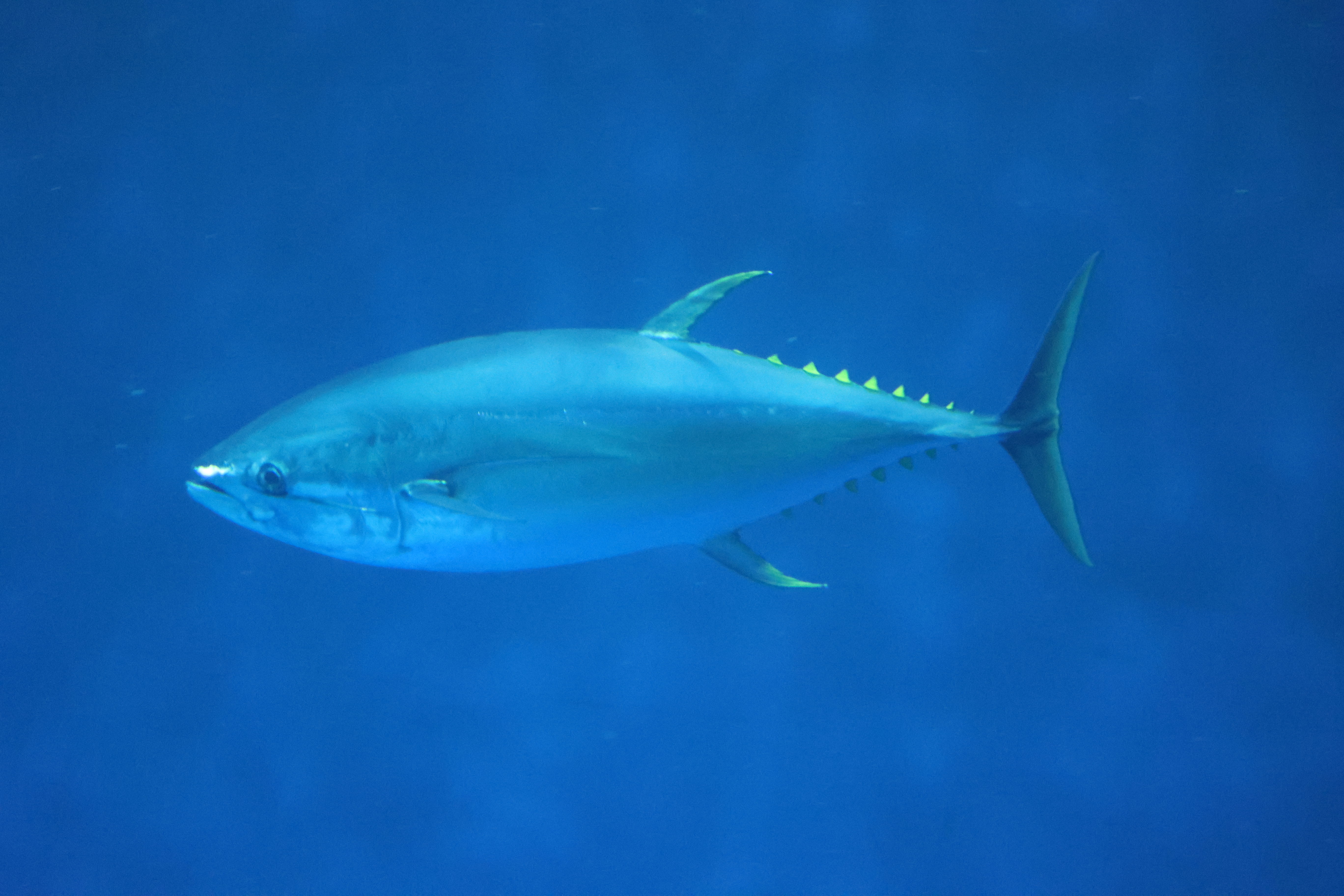

The recovery of Atlantic bluefin tuna shows that conservation can work. WWF warns that the Mediterranean blue shark and swordfish still require attention and more effective management.
The recovery of Atlantic bluefin tuna is the result of investment in science, international cooperation and responsible fisheries management, WWF Adria says in a post marking decisions by the International Commission for the Conservation of Atlantic Tunas (ICCAT). The organisation warns, however, that the success of one species does not mean the protection of the entire marine ecosystem is assured. [1]
What the recovery of tuna shows
In its document prepared for the November ICCAT meeting, WWF links the recovery of Atlantic bluefin tuna to science-based management, catch monitoring and enforcement of rules. The organisation calls for this system to be maintained and for future decisions to continue following scientific recommendations. [2]
The picture is less favourable for Mediterranean swordfish. WWF, citing a 2026 assessment, says the population remains overfished. It also warns of insufficient data on the Mediterranean blue shark and proposes stronger monitoring and measures to reduce its mortality in fisheries. These are WWF’s warnings and requests, not a claim that all the proposed measures have already been adopted. [2]
ICCAT decisions and their importance for the Adriatic
In a statement dated 23 November, ICCAT announced that 17 recommendations on species conservation and fisheries management had been adopted at the meeting in Vilamoura, Portugal. These include measures concerning sharks, Mediterranean swordfish, and the management of Atlantic bluefin tuna in the eastern Atlantic and Mediterranean. [3]
For Croatian readers, this is an issue that connects the conservation of the Adriatic with the long-term future of fisheries. WWF Adria emphasises the need to protect the entire food chain, from small pelagic fish to large predators, and links the health of the sea with the resilience of coastal communities. [1]
 ekologija.hrPromotional space · coming soonTogether for a positive impact.We are building a space for carefully selected partnerships. Get in touch.Become a partner
 ekologija.hrPromotional space · coming soonGood stories deserve an audience.A new space for responsible organisations and solutions is coming soon.Let’s talk about collaboration
 ekologija.hrPromotional space · coming soonYour project. More visibility.Connect your story with people interested in nature, the environment and sustainability.Introduce your idea
Thematic AI visuals; logos are original.