Forestry and sustainable development · Šibenik, 15–18 October 2026.
Forests are more than raw timber: the future of Croatian forestry in Šibenik
The conference, which began on 15 October, addressed forest climate resilience, professional restoration, European funding and wood processing in Croatia. Marijana Petir and Silvija Zec spoke about the economic and social challenges.
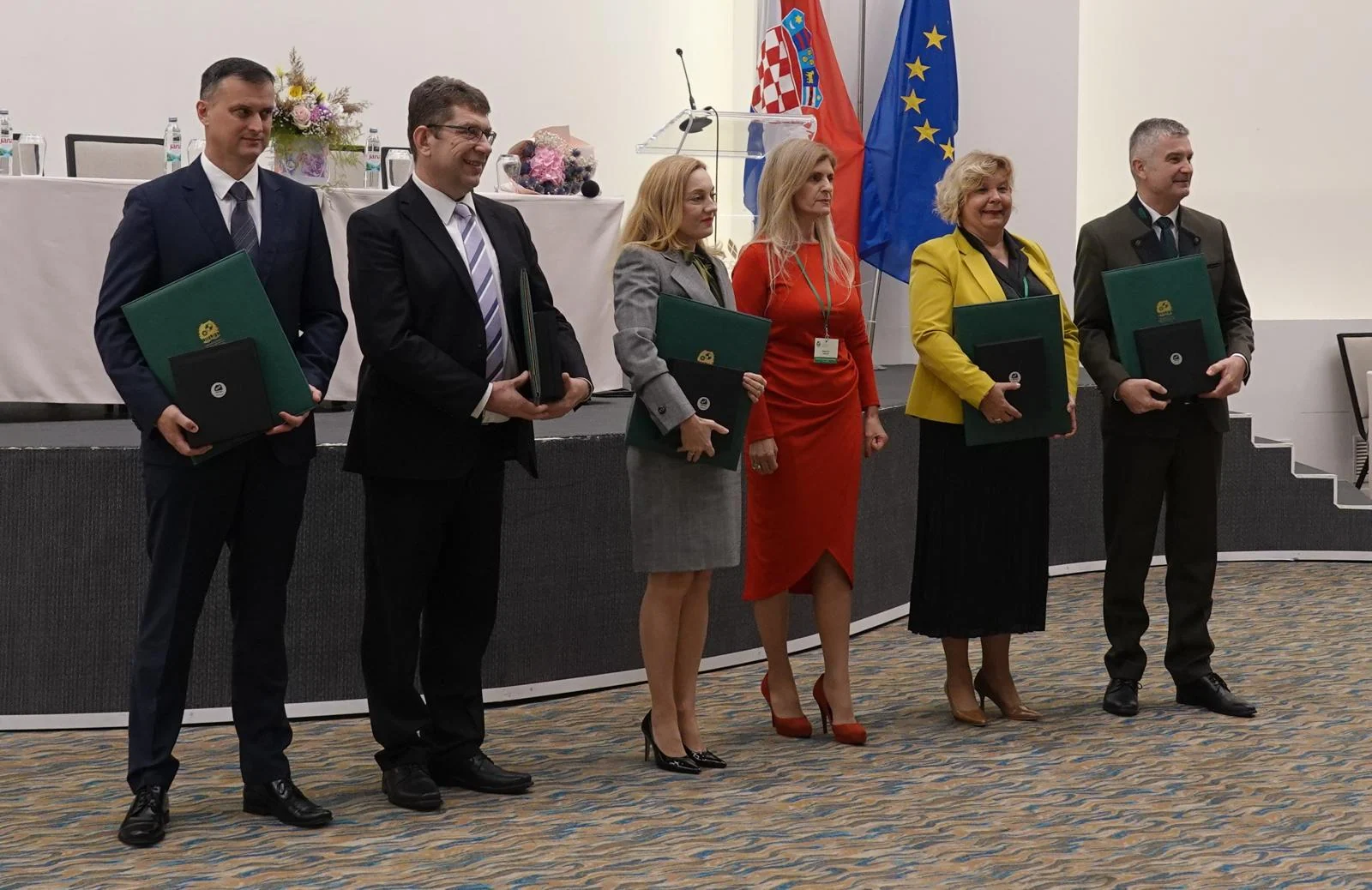
Croatian forests are also living ecosystems, natural wealth and an important support for rural communities. How to preserve their resilience in the face of climate change while ensuring the long-term future of the forestry profession and domestic wood processing was among the key questions at the Fifth Conference of Licensed Forestry and Wood Technology Engineers, held from 15 to 18 October in Šibenik.
The statement supplied on 16 October by the professional service of the Croatian Parliament's Agriculture Committee conveyed the messages of the Committee's chair Marijana Petir, who highlighted the need for investment in forest restoration, fire prevention, modernising technologies and increased processing of raw timber in Croatia.
“Croatia's forests are not only a natural resource. They are part of our identity and future, and also a source of work and income for many families in rural areas.”
Climate challenges and forest restoration
Among the priorities Petir highlighted are forest restoration, fire protection and monitoring climate impacts. She attached particular importance to professional and scientific work and to the role of licensed forestry engineers in restoring and strengthening the resilience of forest ecosystems.
She recalled more than two and a half centuries of sustainable forest management in Croatia and emphasised the Agriculture Committee's position that responsibility for managing forests should remain at national level. The presentation also highlighted the challenges posed by European policies and climate change.
European funding and the bioeconomy through 2035
According to the parliamentary statement, existing European programmes offer the forestry sector funding for forest restoration, forest infrastructure, technology modernisation and wood processing. Petir called for more effective use of these resources and a stronger position for forestry in the future European financial framework after 2027.
Also highlighted was Bioeconomy Strategy through 2035, adopted by the Croatian Parliament in 2026. The document opens up opportunities to connect forest management with innovation, better use of renewable materials and rural development. It was stressed that the strategy's success depends on translating its objectives into concrete projects.
Mediterranean, coastal and island areas have a particular position, being exposed to fires and increasingly pronounced climate impacts. Petir recalled that, at the end of September in Dubrovnik, the parliamentary Committee sent European institutions a message about the need for stronger support for forestry in such areas.
More added value in domestic wood processing
An important economic message of the conference was that Croatia should not remain merely a supplier of raw timber. Greater production of finished products, innovation and modern technologies could create better-quality jobs and allow more of the value to remain where forests grow and where people care for them.
“Croatia must not remain solely a producer and exporter of raw timber.”
Petir linked this approach to the future of rural areas. Forestry and the wood industry are important employers there, and retaining young people also depends on whether these sectors can provide a decent living.
Silvija Zec: the profession must take part in decisions
President of the Croatian Chamber of Forestry and Wood Technology Engineers Silvija Zec warned that climate change makes it harder to plan and grow stable, resilient and adaptable forests. Responding to these challenges, she stressed, requires specialist knowledge, sound legislation, institutional support and the timely involvement of experts in decision-making.
Zec also raised the issue of working conditions. Forestry work, she noted, is demanding, often dangerous and undervalued, while the sector faces difficulties attracting and retaining workers. She also expressed thanks for cooperation with the Agriculture Committee and recalled the thematic session held to mark the 260th anniversary of organised forestry in Croatia.
Sustainability also requires healthy forest ecosystems
Economic benefit is not the only measure of successful forest management. Forest ecosystems also preserve plant and animal habitats, protect soil, influence the water cycle and store carbon. The development of the wood industry and nature conservation should therefore not be viewed as separate goals.
From Ekologija.hr's perspective, it is important to monitor whether the announced investments contribute to real forest resilience, biodiversity protection and the lives of local communities. This is an editorial framework for further coverage of the topic, not a conclusion attributed to the conference speakers.
Four days of professional topics in Šibenik
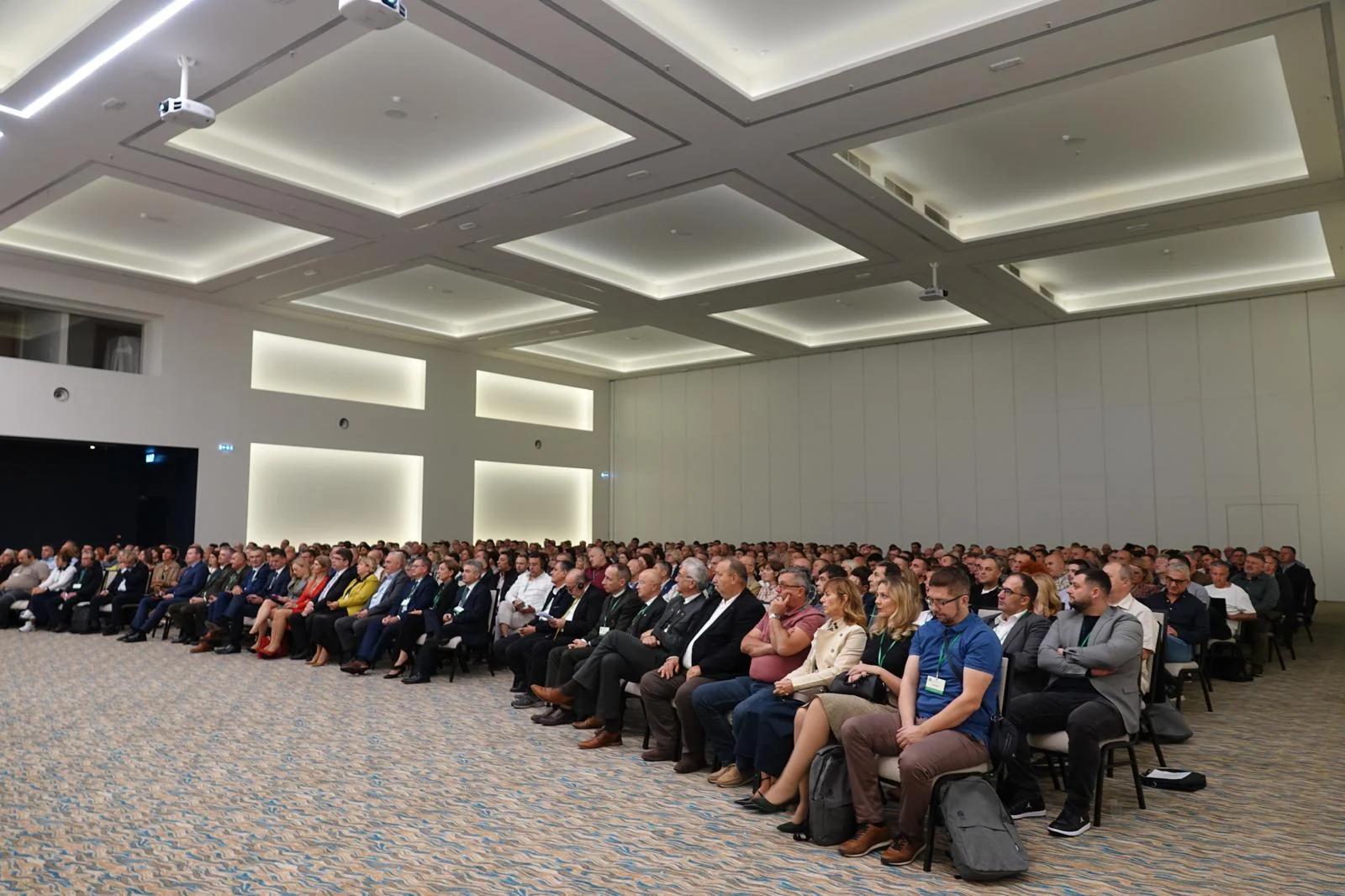
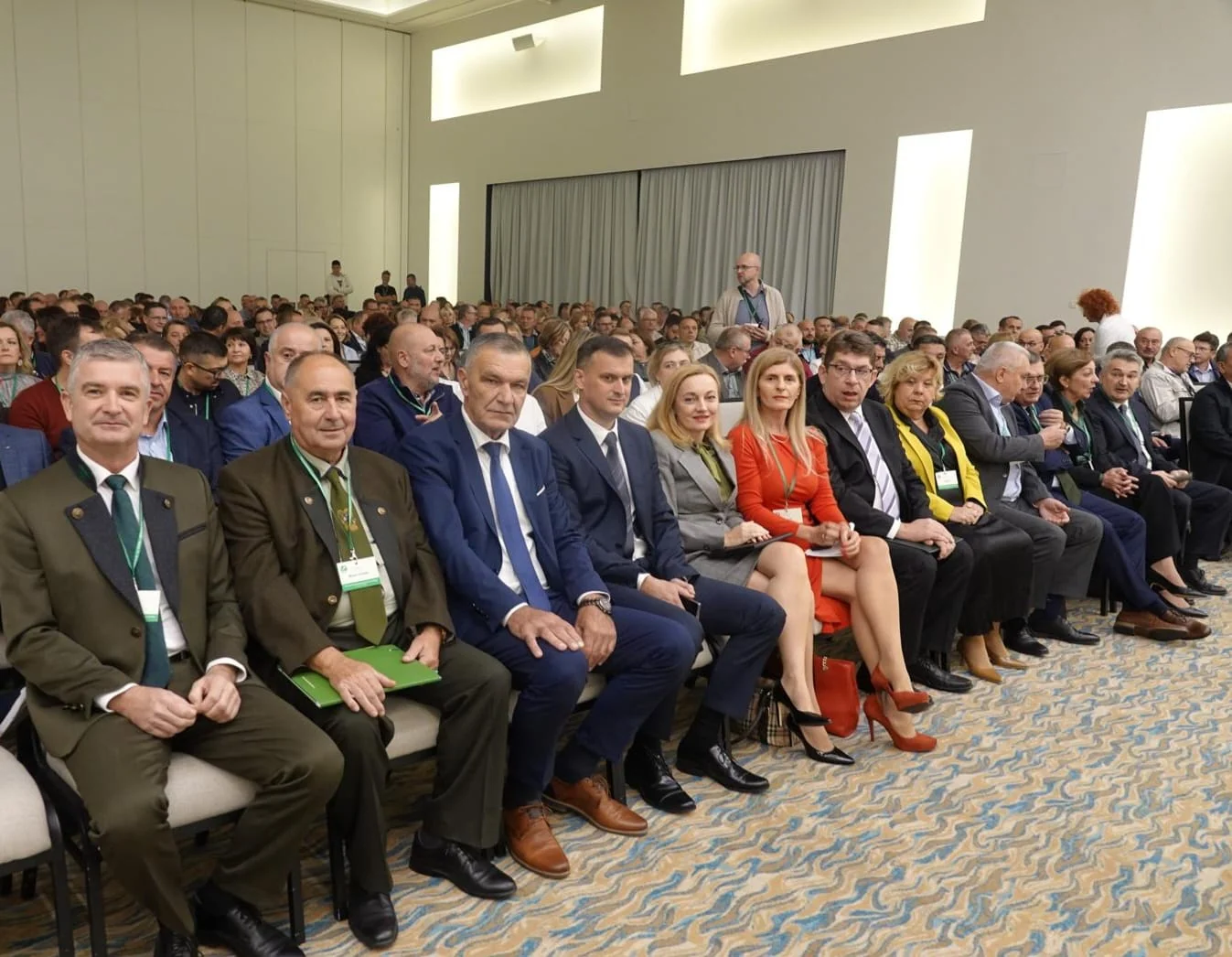
The fifth conference was held from 15 to 18 October 2026 in Šibenik, alongside representatives of state institutions, academia and the scientific community, the forestry and wood-processing sectors, and guests from Türkiye, Slovakia, Hungary and Bosnia and Herzegovina. The programme covered forest ecosystem protection, European regulation, professional competencies, research and innovation.
Croatian forestry still faces the task of linking healthy, resilient forests with economic development and the future of the people whose livelihoods depend on them. Success will require cooperation among experts, institutions, businesses and the public.
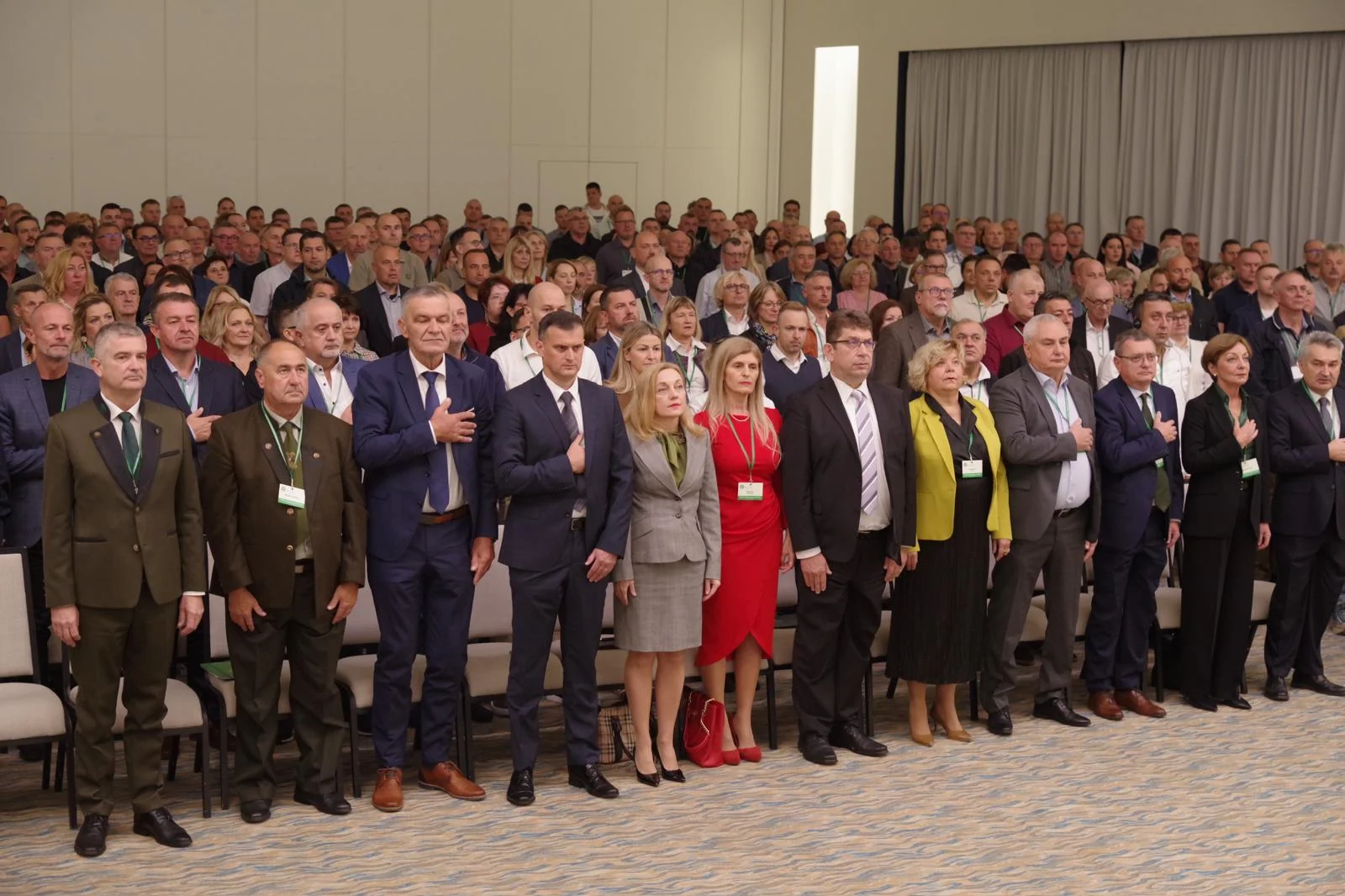
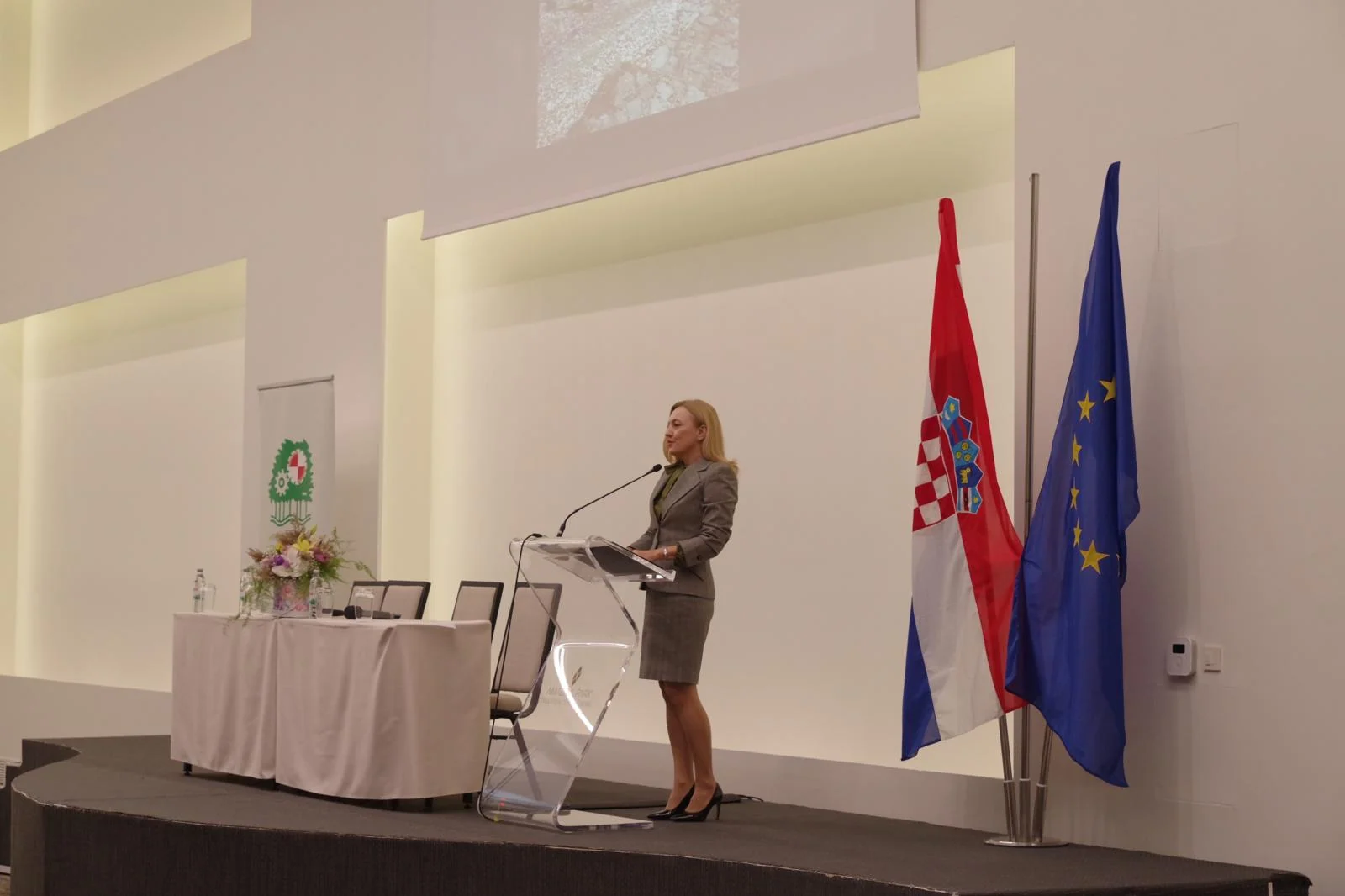
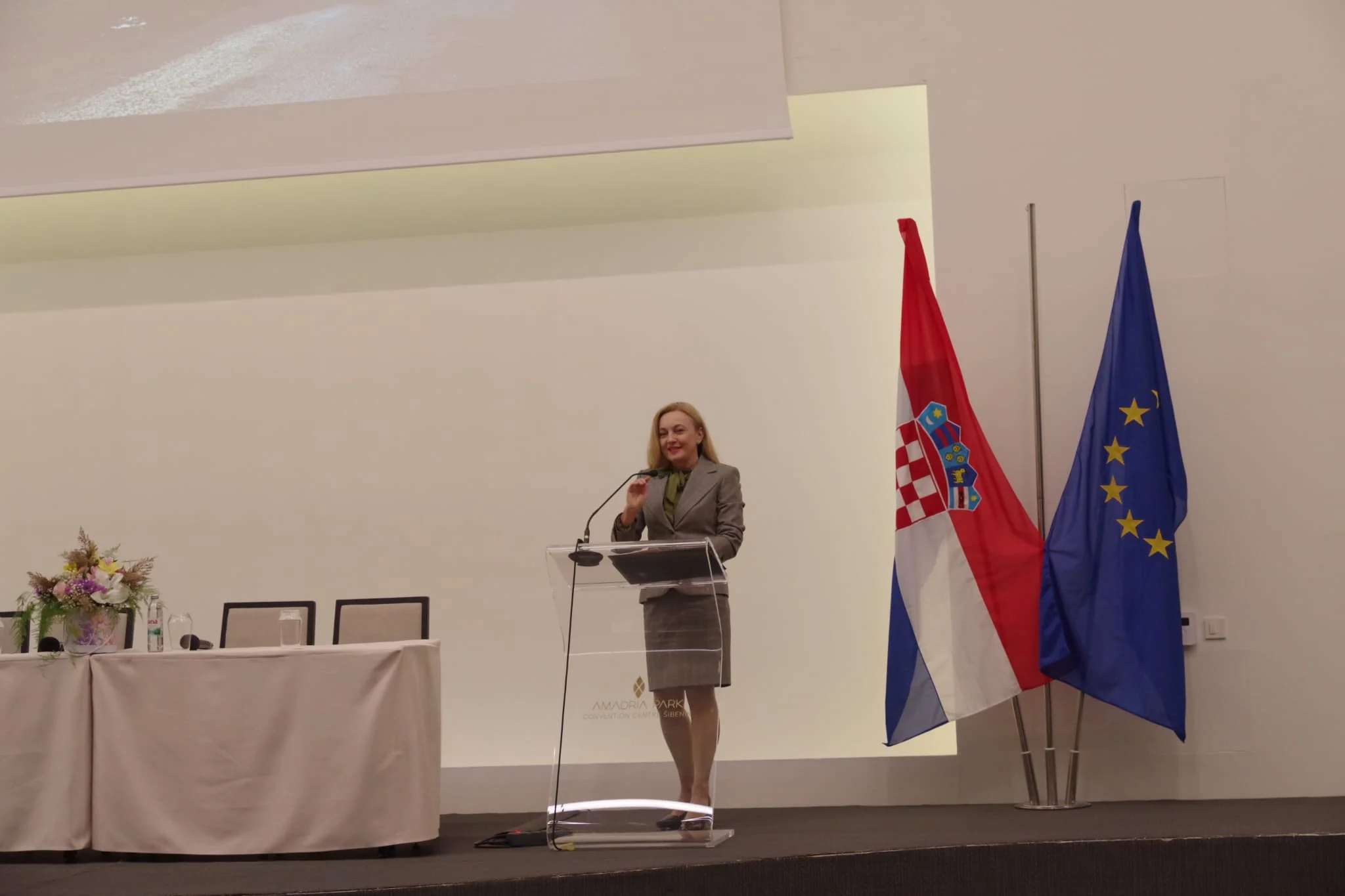
Conference in pictures
Selected conference scenes from photographic material supplied to the editorial team through the Croatian Parliament.
All photographs: Croatian Chamber of Forestry and Wood Technology Engineers.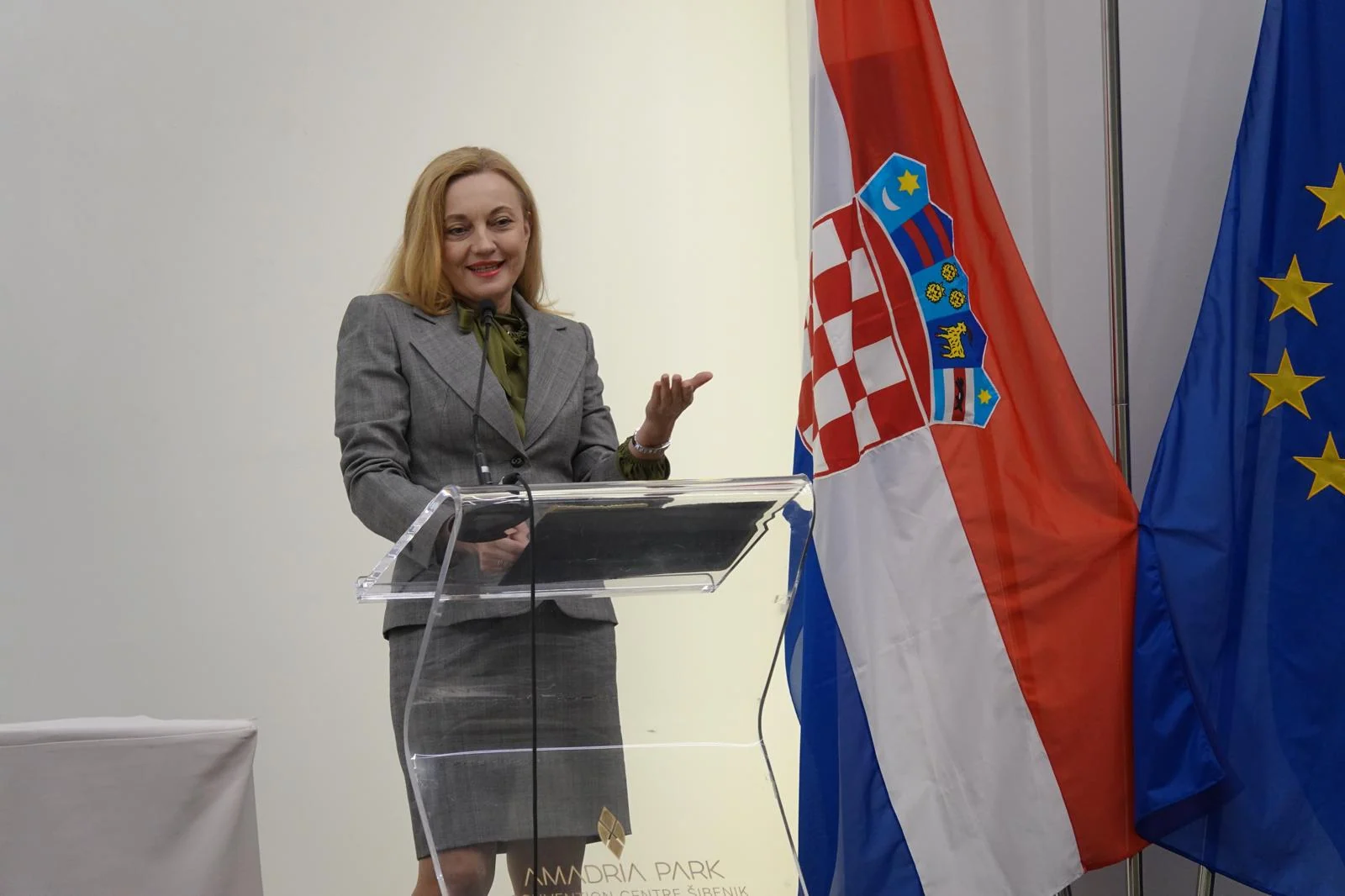
Statement from the Croatian Parliament
The article was edited on the basis of a statement by the Croatian Parliament's Agriculture Committee, supplied to the editorial team on 16 October 2026. Statements are attributed to their speakers, and the environmental context is clearly separated as editorial interpretation.
The photographs belong to the Croatian Chamber of Forestry and Wood Technology Engineers; they were supplied to the editorial team through Parliament's professional service. Rights for further use beyond reporting must be confirmed with the rights holder.