
NEWS AND CONTEXT
More than 120 pupils discover the European Amazon at the Harčaš Centre
Published 4 November 2026 · WWF post: 3 November 2026
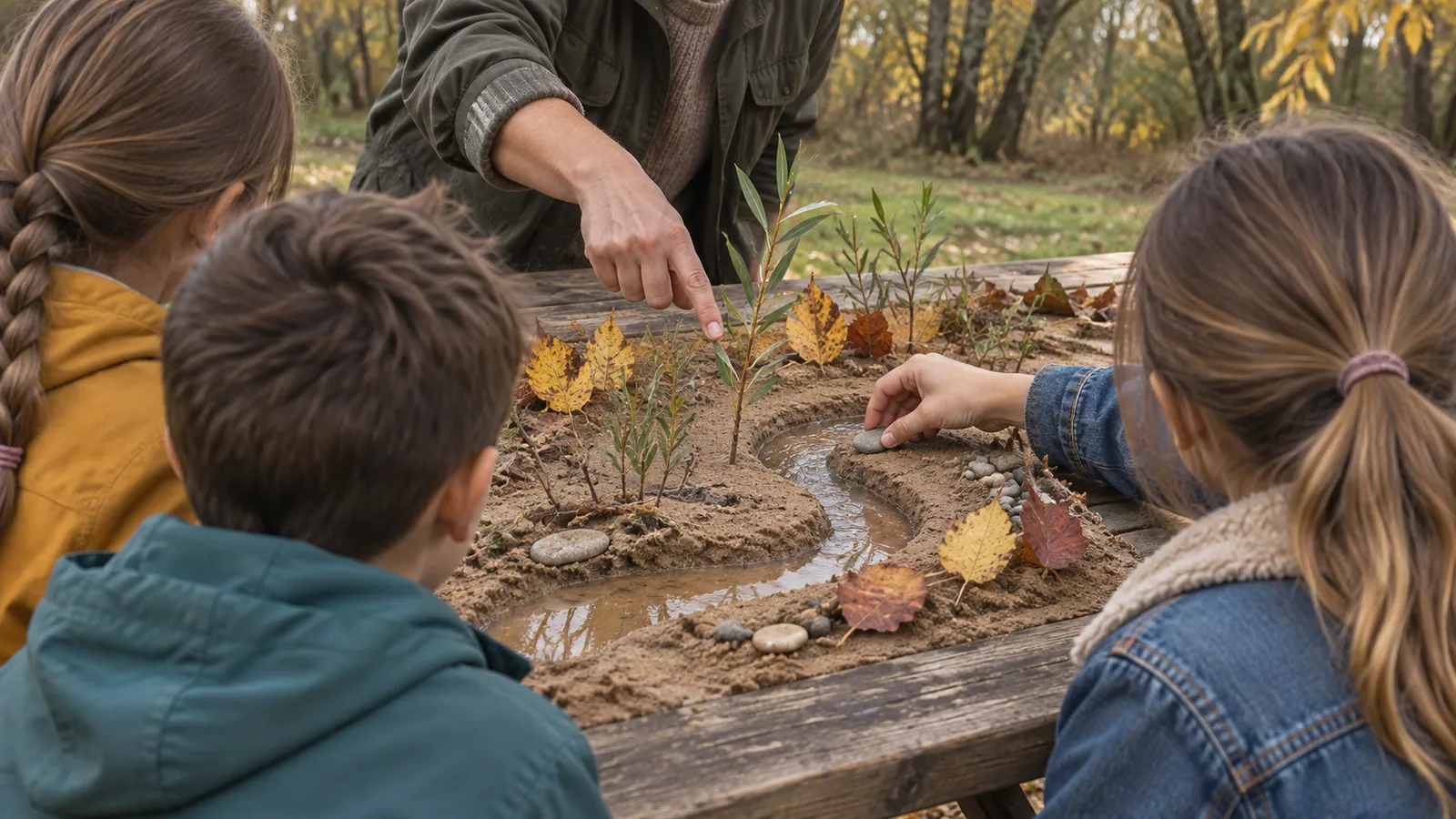
More than 120 pupils at the Harčaš Visitor Centre in the Upper Danube region learnt about the floodplain forests, rivers and species that live alongside them. WWF Adria reported on the workshop on 3 November, International Biosphere Reserves Day.
A biosphere reserve through children’s eyes
What would a reserve look like if there were room for both people and wildlife? In an earlier post from the Harčaš centre WWF Adria described how fourth-grade pupils in Apatin explored this question. They used natural materials to make their own models of reserves and explained how they would balance the needs of residents with those of plants and animals.
In a review marking International Day for Biosphere Reserves WWF highlights what makes their region distinctive: rivers, forests periodically flooded by water, and species that depend on these habitats. The post dated 3 November reports on a workshop that had already taken place.
One question about biosphere reserves concerns the people who live in them. How can a forest or wetland be protected while leaving room for work and everyday life by the water? WWF Adria links this question to the purpose of workshops like these.
What kind of landscape surrounds Harčaš?
Harčaš is in the Upper Danube region, on the Serbian side of the Danube. In its description, UNESCO of Bačko Podunavlje mentions floodplain forests, wetlands and reed beds. On a map they look like separate areas, but changes in water levels determine when particular parts connect with the river.
A river branch is a good example of this relationship. When water levels are high, some of the main channel can overflow into it; when the water recedes, shallower and calmer areas remain. This creates different conditions for plants, fish and birds along the same river.
Three rivers connect five countries
The European Amazon is the name given to the river landscape of the Mura, Drava and Danube. Before it was jointly designated, some parts of this landscape already had biosphere reserve status. In 2021, UNESCO brought them together in a five-country biosphere reserve which includes parts of Austria, Slovenia, Croatia, Hungary and Serbia.
For pupils in Apatin, the Danube is the river of their home region. The waters of the Mura and Drava flow into the same system from parts of Croatia. Geography thus also explains why upstream and downstream communities need to work together to protect river branches and floodplain forests.
In Ekologija.hr Atlas you can continue exploring the European Amazon restoration project and its sources.
Where the information comes from
WWF Adria reported on the participants and content of the workshop. The editorial team used UNESCO documentation for geographical information and the reserve’s status.
- WWF Adria on LinkedIn — report on the workshop in Harčaš
Post marking International Day for Biosphere Reserves, 3 November 2026. - UNESCO — Bačko Podunavlje
Description of the area and river habitats. - UNESCO — designation of the Mura–Drava–Danube Biosphere Reserve
The 2021 decision and the make-up of the five-country reserve. - UNESCO — International Day for Biosphere Reserves
The date and purpose of the day.
For the AI illustration on the cover, the editorial team used with a school description of making a model at the Harčaš centre.