
Research · biochar, nutrients and circular flows
Biochar could return some essential nutrients to agriculture
A study published in PNAS estimates that biochar produced from separately collected human excreta could return some phosphorus, nitrogen and potassium to agriculture — with strict process and safety controls.
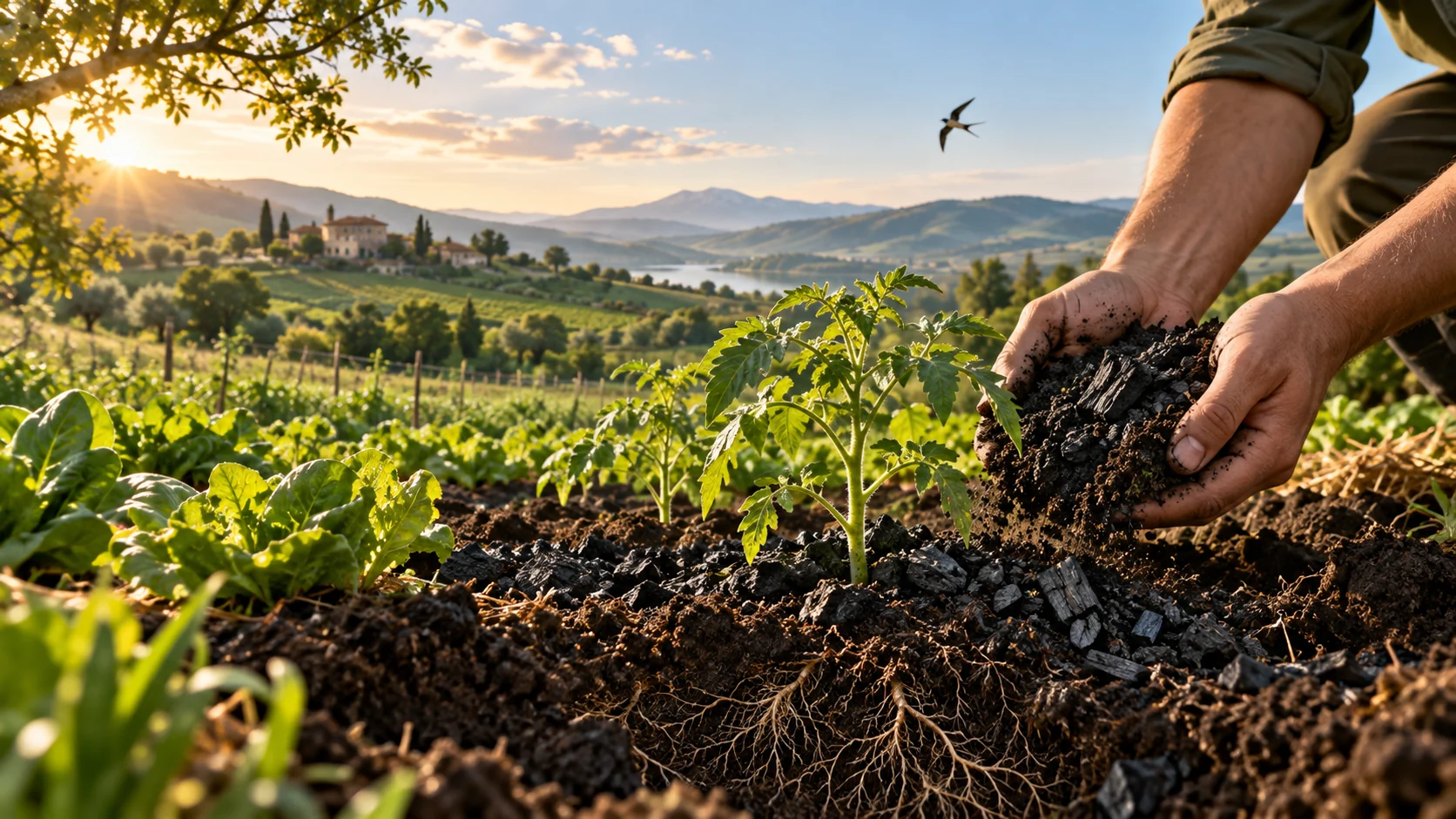
Phosphorus, nitrogen and potassium are essential to food production, but obtaining and using them carries substantial energy and environmental costs. A study published in PNAS explores the possibility of treating nutrients from separately collected human excreta and returning them to agriculture through biochar and related recovery processes.
Key points
- The authors estimate that biochar from the solid fraction could cover up to 7% of global annual phosphorus use.
- When combined with nutrient recovery from urine, the estimated potential rises to around 15% of phosphorus, 17% of nitrogen and up to 25% of potassium.
- The thermal treatment process could reduce the mass and volume of solid material by up to 90%, but safety depends on separate collection, temperature, contaminant control and regulation.
Nutrient recovery is not the same as using waste directly
The research does not propose applying untreated sanitary waste to soil. The key is separation at source and controlled thermochemical treatment that stabilises the solid material, reduces its volume and allows further testing of the resulting biochar's properties.
This approach could reduce the loss of phosphorus and other nutrients, but it does not automatically remove every risk. Feedstock, processing temperature and duration, and the presence of heavy metals, PFAS, pharmaceuticals and other pollutants must be monitored using methods appropriate to the product's intended use.
The potential is substantial, but an estimate is not a functioning system
The percentages in the study represent global technical potential, not the amount available to agriculture today. Practical application requires separate sanitation systems, logistics, quality standards, user acceptance and a clear regulatory framework.
Biochar should therefore be considered a possible part of a broader circular nutrient system. Its value lies not only in the material but in the entire chain: safe collection, processing, laboratory testing, agronomic advice, soil monitoring and transparent product labelling.
Related articles

August 2026 equals the global temperature record
August's global average air temperature was 16.96°C, tying with July 2023 as the hottest month on record, according to Copernicus data reported by Reuters.
Croatian expert warns: If we lose urban trees, Croatian cities will become concrete ovens
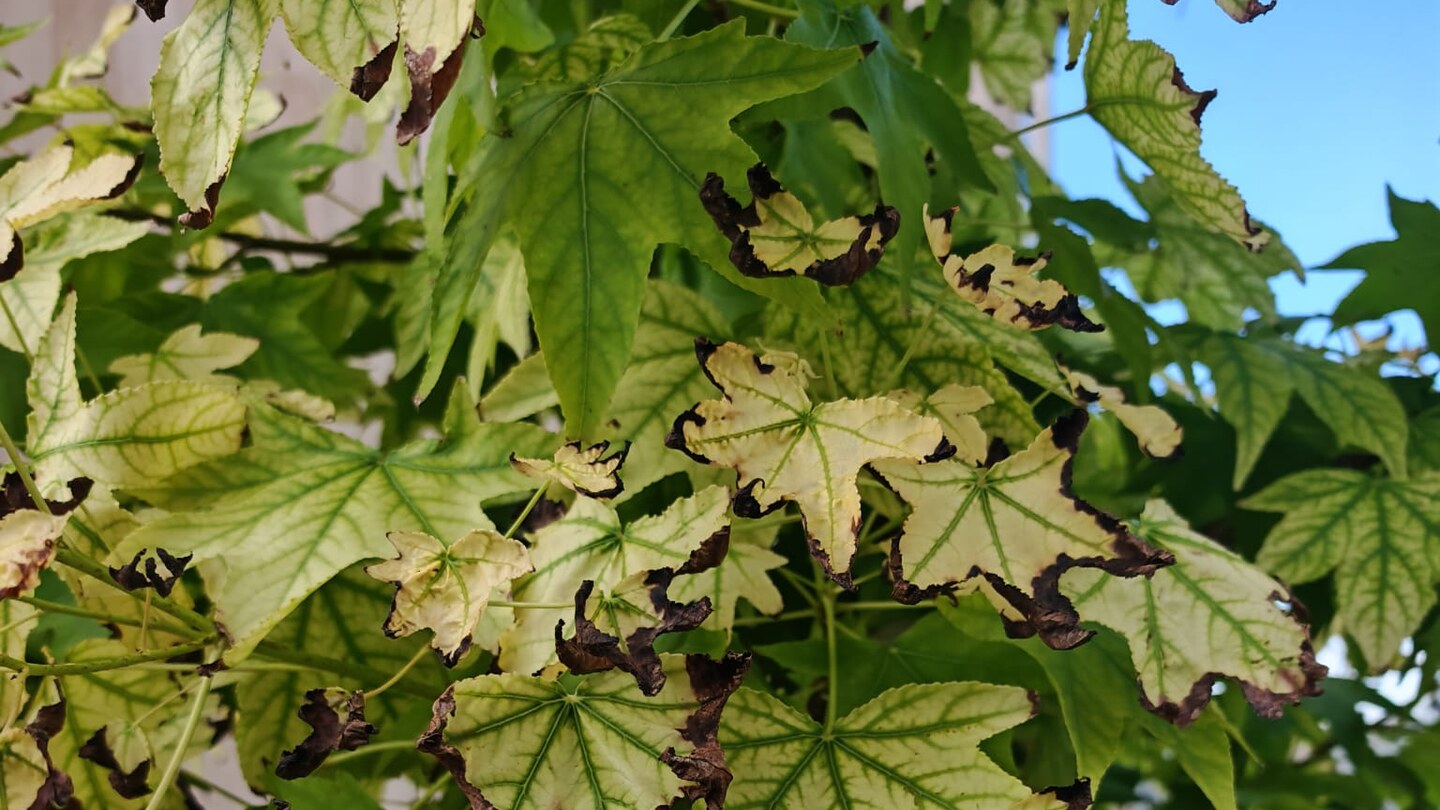
Fran Poštenjak, Croatia's first tree doctor, warns: Without a change in our attitude towards urban greenery, Croatian cities are losing their natural defence against extreme heat. “This is not an occasional anomaly, but a new reality”: Why are summer heatwaves silently killing trees in Croatian cities? Expert Fran Poštenjak explains, stressing that investing in trees is actually an investment in Croatia's climate resilience.
New EU packaging rules have begun to apply
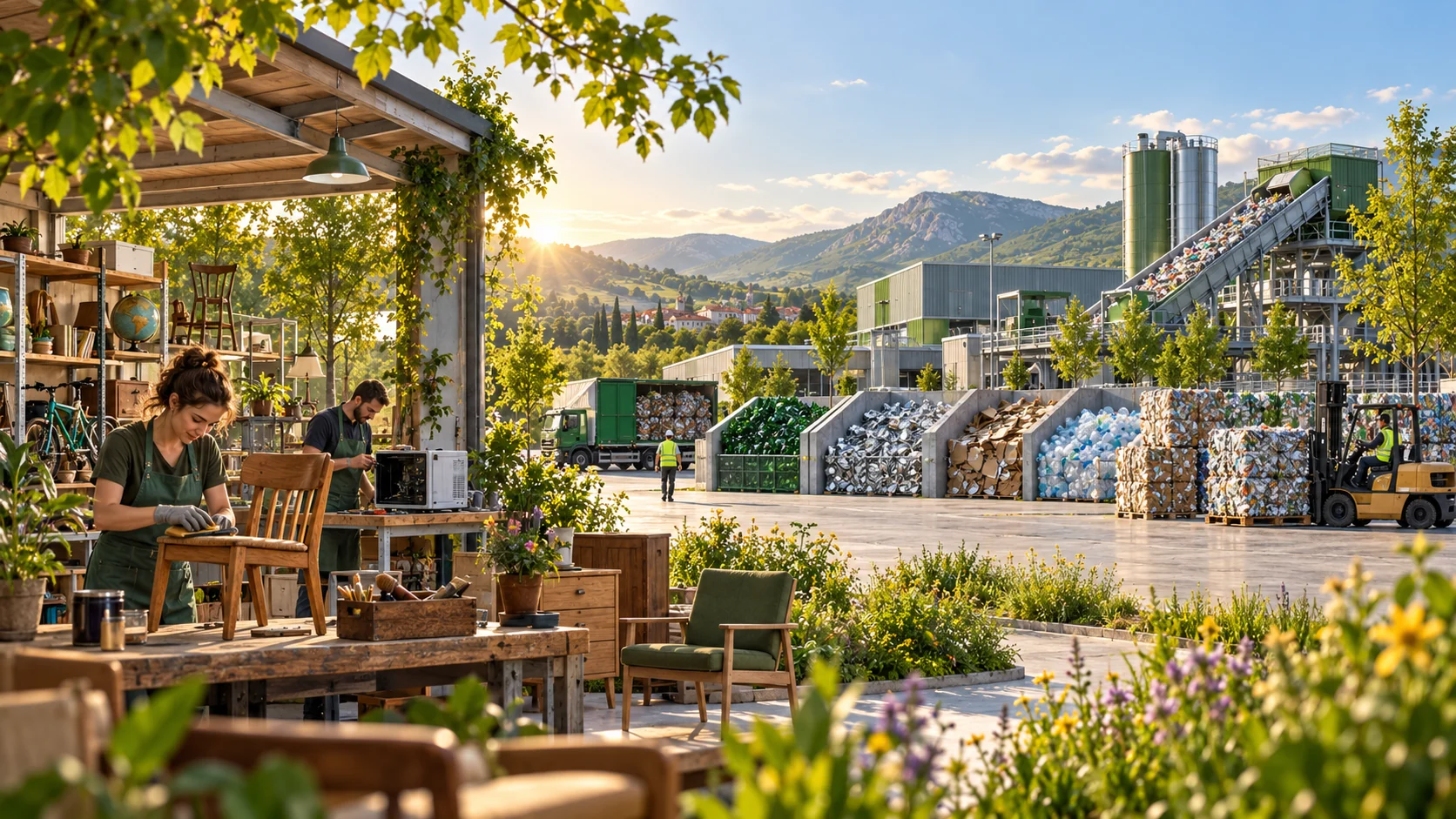
Regulation (EU) 2025/40 applies from 12 August 2026 and introduces a common framework for less packaging waste, better recyclability, reuse and restrictions on PFAS in food packaging.