
Biodiversity · wild pollinators
Wild bees are retreating from many parts of Europe: what a century of data reveals
An analysis of more than four million records shows that many wild bee and hoverfly species are losing their presence in Europe. The Alpine exception requires careful interpretation, and the authors say that there is still room for recovery.
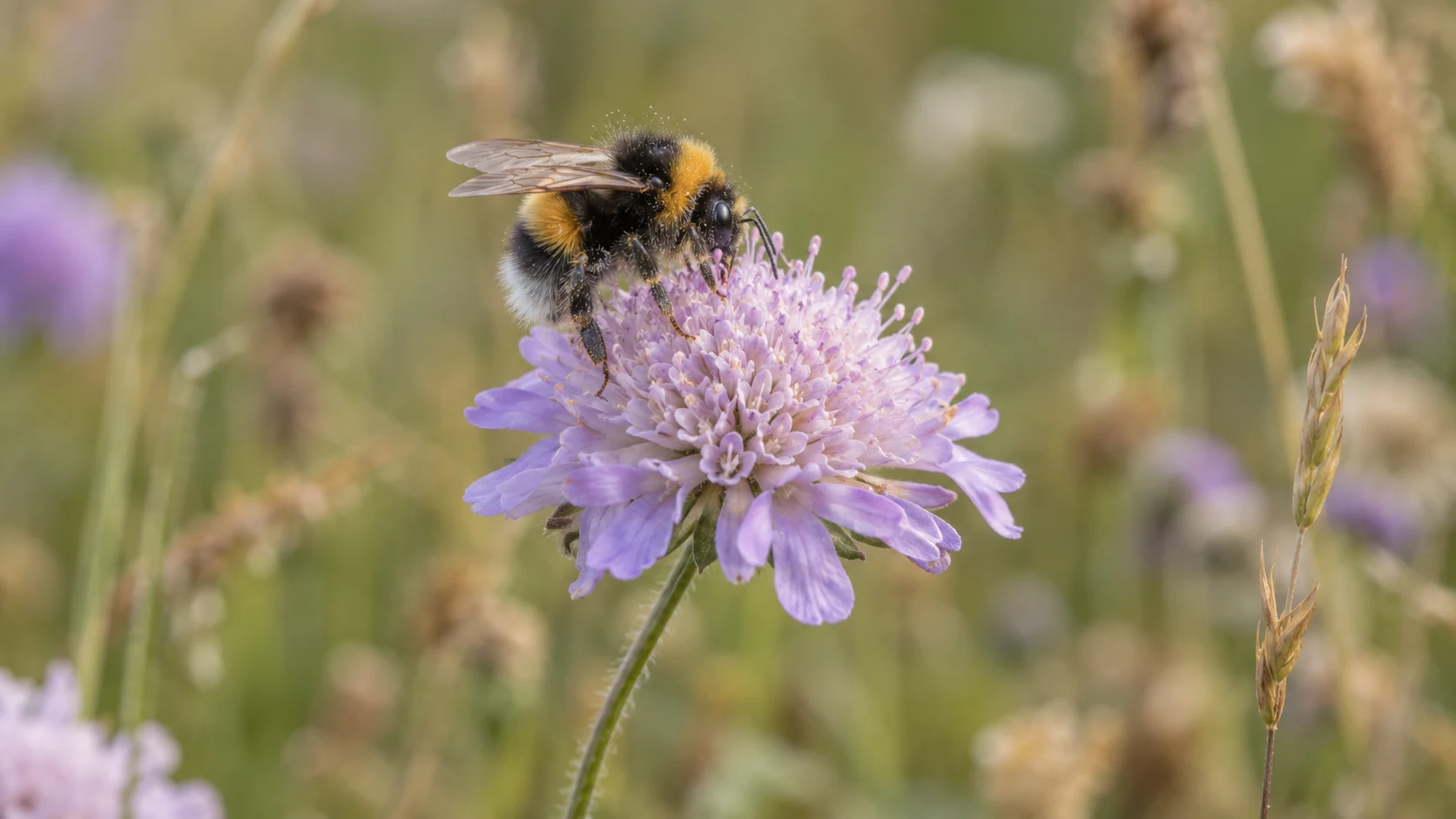
A century of pollinator records
A team led by researchers from the Doñana Biological Station at Spain's CSIC analysed records from 1921–2020. The database covers approximately 88 per cent of known European bee and hoverfly species. The paper was published in PNAS.
Most bee species analysed and approximately half of hoverfly species showed a decline in geographical distribution, while changes in regional species numbers were more moderate and varied between regions.
Presence is not a count of individuals
An estimate of geographical distribution is not a direct count of individuals. A species may remain present in Europe while occupying fewer areas. The findings should therefore not be presented as a percentage of bees lost, nor should a stable number of species be interpreted as evidence that conditions have not changed.
How to interpret the Alpine exception
The Alpine region has seen a recent increase in the number of bee species. CSIC cites migration from valleys due to warming as a possible explanation. This is not evidence that all species there are thriving, nor a guarantee of the lasting safety of mountain habitats.
Why pollination matters for food
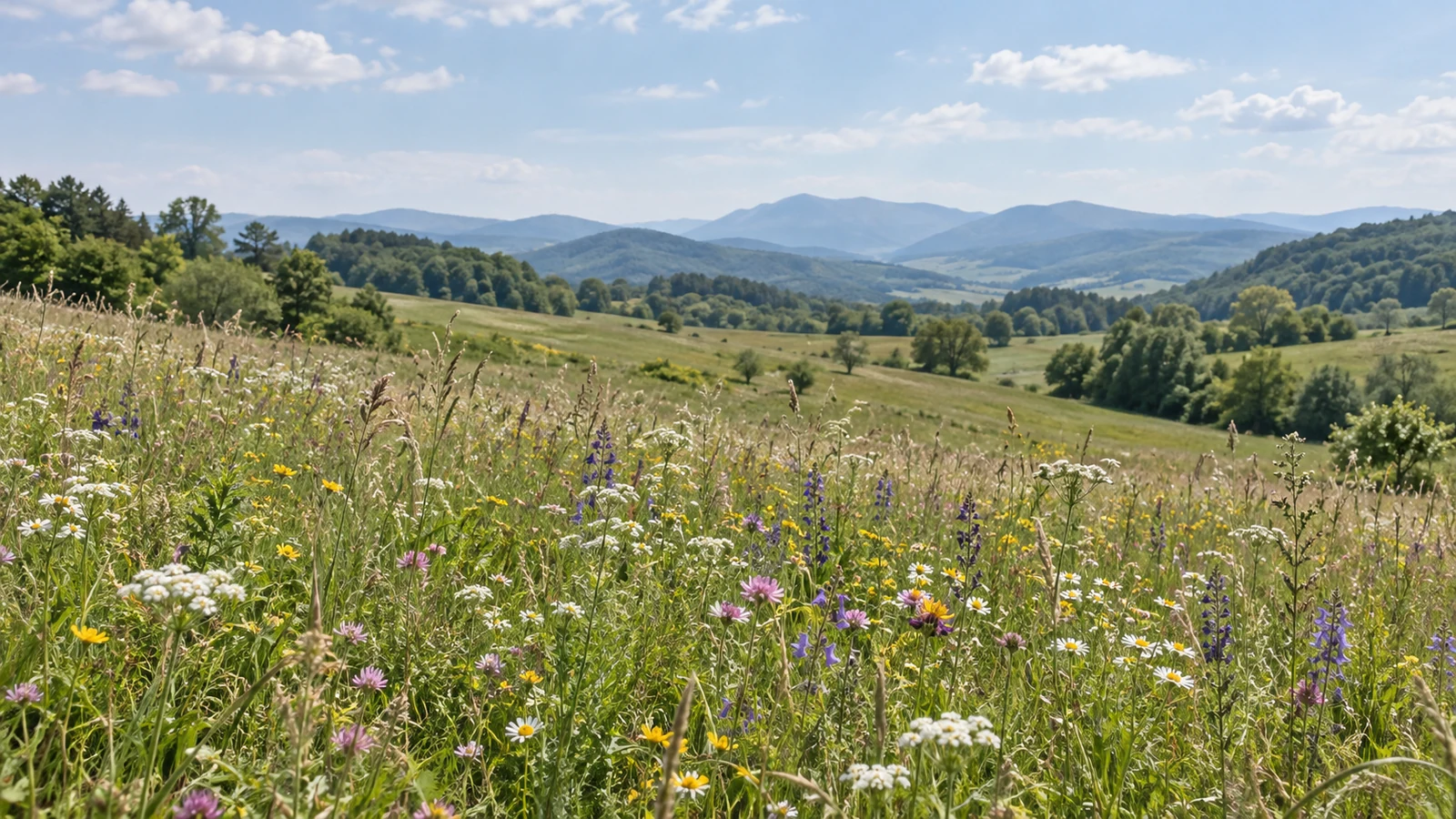
Why should the retreat of these insects matter to people who do not work in nature conservation? The Food and Agriculture Organization of the United Nations (FAO) states that approximately three quarters of the world's most important crop types depend at least partly on pollinators.
This is a proportion of crop types, not a claim that pollinators produce three quarters of the total volume of food. The qualification “at least partly” is equally important: different plants do not depend on pollination in the same way.
FAO describes pollination as a link between natural ecosystems and agricultural production. To conserve it, the organisation emphasises knowledge of species and their relationships with plants, and the provision of safe habitats and food sources for both wild and managed pollinators.
European target: reverse the decline by 2030.
Pollinator conservation is already part of European policy. The European Commission states that the Nature Restoration Regulation sets a binding target: Member States must reverse the decline in pollinator populations by 2030 and achieve an increasing trend thereafter.
Alongside restoration measures, population monitoring using a common methodology is planned. Data on species abundance and diversity should help assess trends and the effectiveness of the measures implemented.
This gives concrete meaning to the call for better data: announcing protection is not enough; it must be possible to track what changes after an intervention. The European framework connects research, conservation and cooperation among different participants, rather than leaving responsibility solely to individuals.
What this means for Croatia
We do not derive a specific percentage decline for Croatia from this European analysis. Such a claim requires data directly describing our species and areas. However, the question of space for pollinators is also relevant to local agricultural landscapes, settlements and gardens.
FAO's starting point is simple: pollinators need safe habitats and food. The organisation links appropriate agricultural practices with pollinator conservation, crop diversity, soil health and reduced pesticide use.
For local decisions, it is therefore worth bringing together two questions: what can we improve in a particular place, and how will we verify the impact? The European finding provides broader context; local knowledge should determine the next step.
Sources and further reading
- Martínez-Núñez et al.: Historical trends show more declining than increasing species among European pollinators — PNAS
- SINC / CSIC: Un siglo de datos confirma el declive generalizado de polinizadores en Europa
- FAO: Global Action on Pollination Services for Sustainable Agriculture
- European Commission: Pollinators
Independent editorial preparation and adaptation in Croatian: Ekologija.hr editorial team, based on the sources cited. The SINC / CSIC press release is available under the licence CC BY 4.0.
Related articles

Since 30 July, we have been living on ecological debt
On 30 July, humanity used up the natural budget that can regenerate over the whole of 2026. Since that date, we have been living by depleting natural capital and accumulating waste, chiefly carbon dioxide in the atmosphere.

The Bijela River flows freely again after eight barriers are removed
Removing the last of eight barriers on the Bijela River, an important tributary of the Plitvice Lakes, restored its free flow and improved conditions for river biodiversity and the return of the Danube salmon.

August 2026 equals the global temperature record
August's global average air temperature was 16.96°C, tying with July 2023 as the hottest month on record, according to Copernicus data reported by Reuters.