
Urban greenery · scale of planting and quality of post-planting care
Zagreb's 2025/2026 planting season: 8,015 trees announced at 1,317 locations
The 2025/2026 programme covered public green spaces and the grounds of kindergartens, schools and health centres, with 8,015 trees announced at 1,317 city locations.
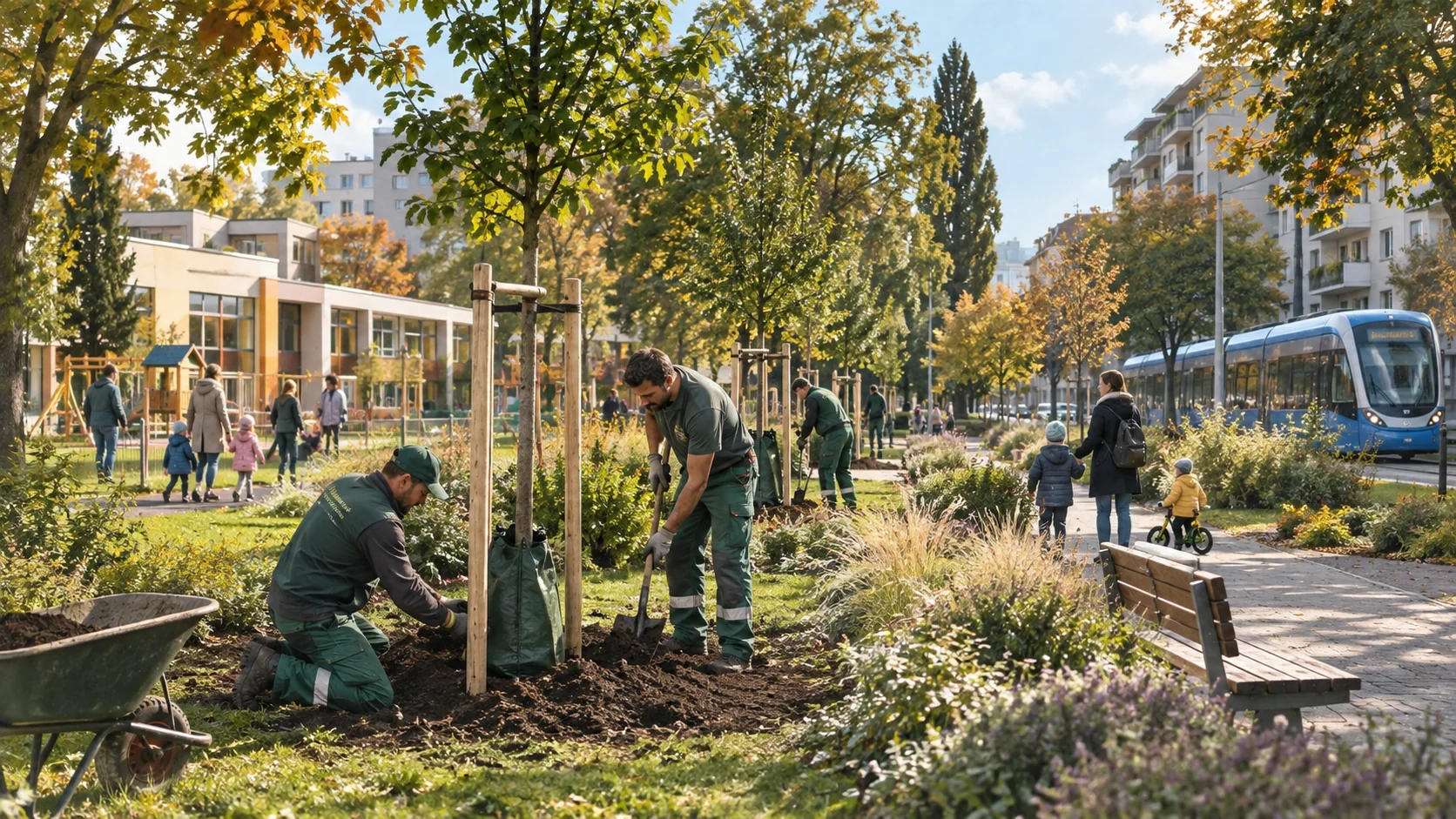
For the planting season from November 2025 to March 2026, Zagreb announced 8.015 new trees at 1.317 locations. The programme concerned planting within the city itself, not the forest areas of Medvednica. Alongside public green spaces, it covered the grounds of kindergartens, schools and health centres.
Key points
- A total of 8,015 trees have been announced for 1,317 locations in Zagreb's urban area.
- The plan covered around 160 species and saplings approximately 6 to 15 years old.
- Around 3,000 trees were to come from the city nursery, and around 5,000 through public procurement.
The number of trees planted is only an initial indicator
A major annual planting campaign can quickly increase the number of trees, but the figure alone does not tell us how many will survive their first critical years. Real impact depends on species and site selection, soil volume and quality, proper planting, root protection, water availability and care over several years.
In urban conditions, trees are exposed to compacted soil, heat, drought, salt, mechanical damage and restricted root space. A planting plan should therefore be accompanied by a publicly available maintenance plan and survival indicators after one, three and five years.
Species diversity reduces systemic risk
The announcement of approximately 160 species matters because excessive reliance on a small number of species increases vulnerability to disease, pests and climate extremes. Diversity is not an end in itself, however: each species must suit the microclimate, street width, underground utilities and expected canopy space.
The most useful public report would therefore include not only the total number of saplings but also a map of locations, species, the contractor, watering arrangements, the condition of each tree and the reason for any replacement. This turns the programme from an annual campaign into measurable city infrastructure.
Related articles
Croatian expert warns: If we lose urban trees, Croatian cities will become concrete ovens
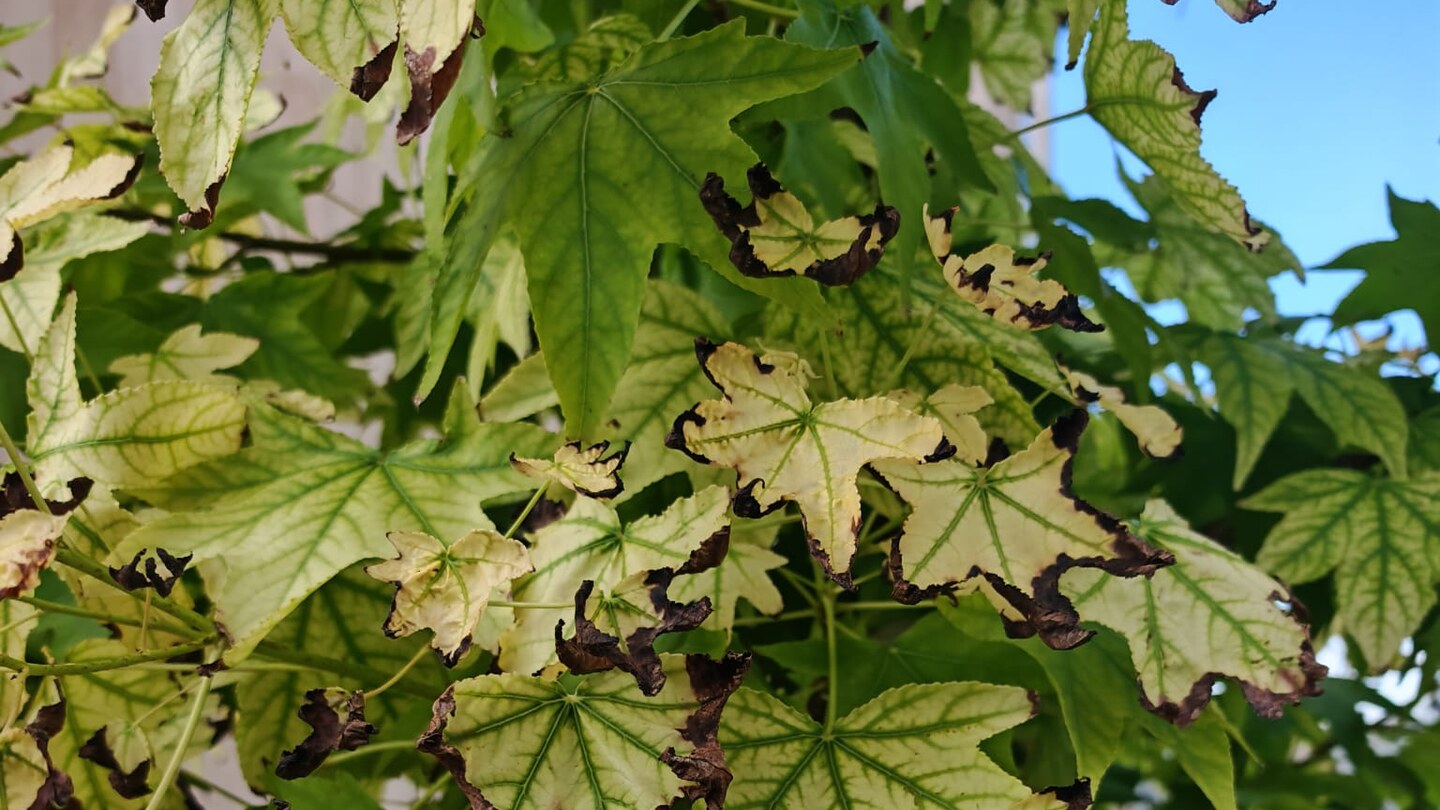
Fran Poštenjak, Croatia's first tree doctor, warns: Without a change in our attitude towards urban greenery, Croatian cities are losing their natural defence against extreme heat. “This is not an occasional anomaly, but a new reality”: Why are summer heatwaves silently killing trees in Croatian cities? Expert Fran Poštenjak explains, stressing that investing in trees is actually an investment in Croatia's climate resilience.

Rijeka plans a green Žabica square with 37 trees
Rijeka's new square is set to gain an almost continuous green canopy, water features and more shade. Projects to green several city streets and car parks are also being prepared.

Europe is warming faster, and cities must adapt better to heat
Heatwaves are becoming more frequent and intense, and green infrastructure, shade and water are essential for more resilient cities.